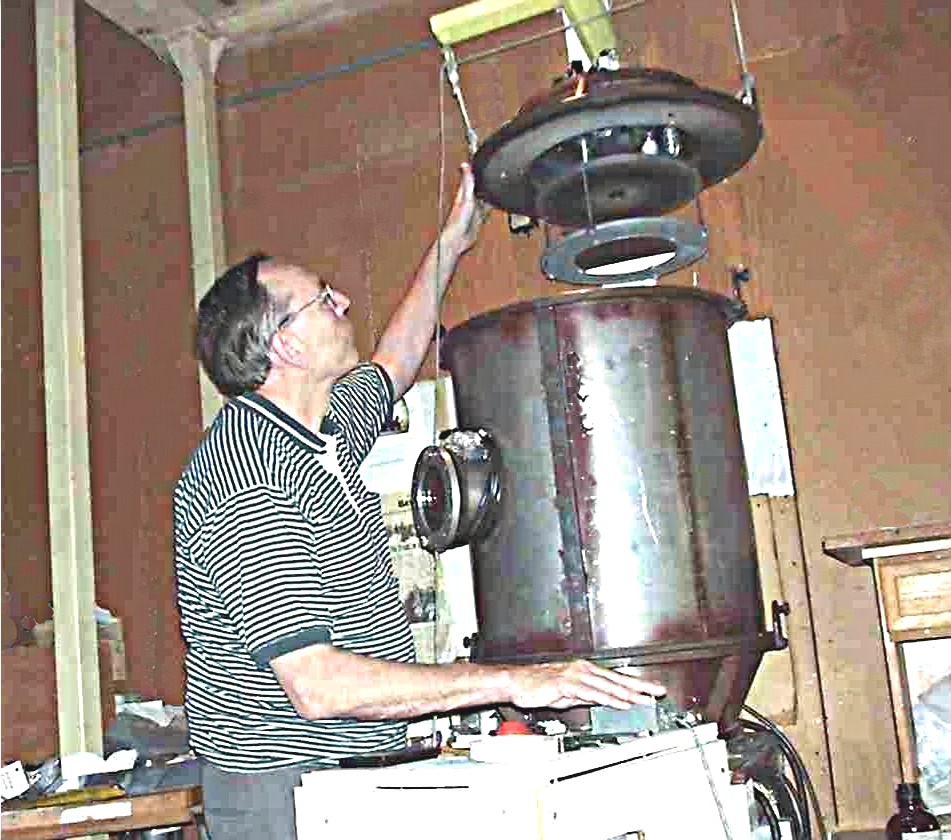
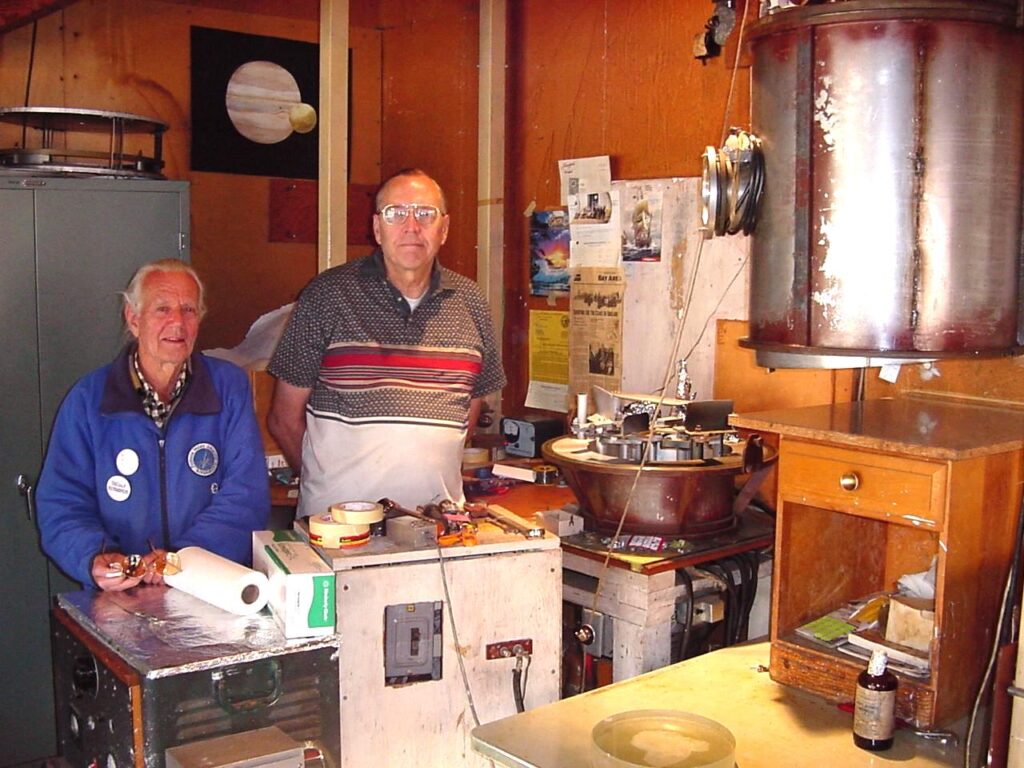
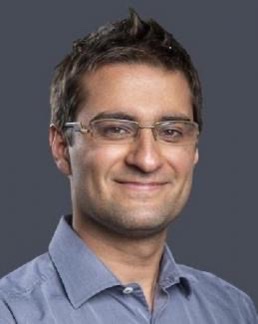
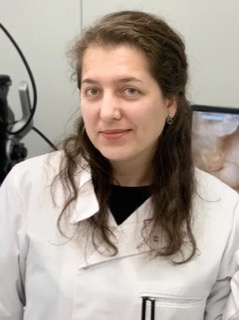
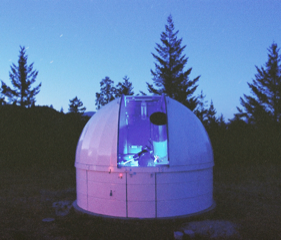
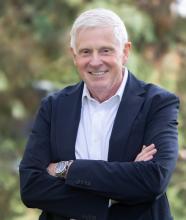
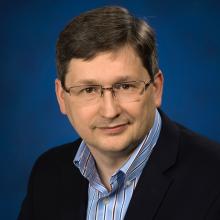
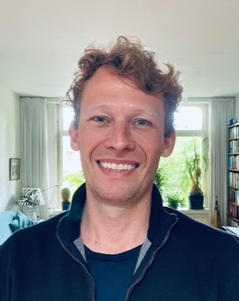
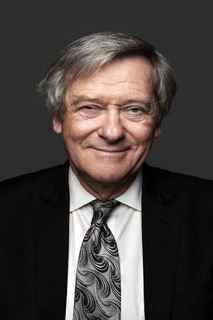
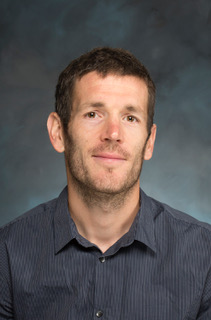
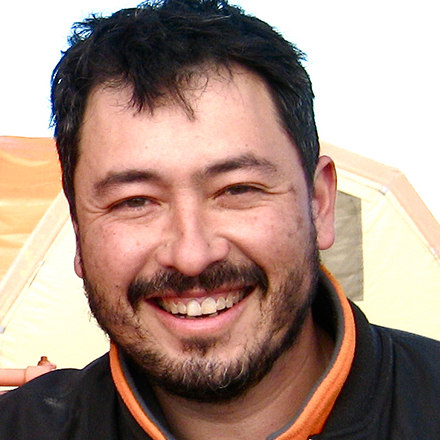
It is with heavy heart that I announce that long-time SMCAS member, Bob Fies, passed away in December 2023. I was informed about this by his niece, Ms. Barbara Brady. He was 84 years old.
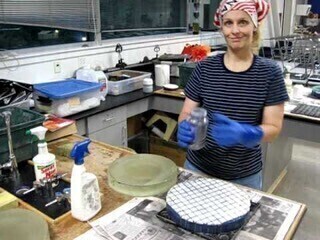
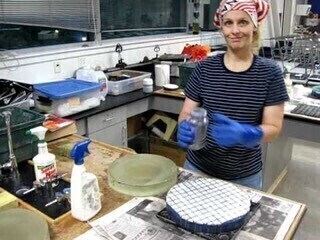
Bob was best known by the local amateur astronomical community as a kind and generous person who provided aluminizing services for telescope makers, particularly those who made their telescope mirrors with John Dobson’s San Francisco Sidewalk Astronomers and the Telescope Makers Workshop at the Chabot Space and Science Center, Oakland.
Bob was born in Dallas, Texas, and moved to San Carlos, California with his family while a teenager. He attended Carlmont High School, Belmont, and attended some college afterward but did not finish a degree.
He worked as an aircraft mechanic for 25 years for Pan-American Airways and retired when Pan-Am went out of business. He subsequently worked at Orchard Supply Hardware and founded his astronomical mirror aluminizing business in his garage in San Carlos serving customers from all over the country. His coatings were noted for their excellent uniformity and reflectivity. He continued this effort all the way until last fall when he shipped his last mirror.
I first met Bob when I noticed his ad for mirror aluminizing services in Sky and Telescope Magazine and saw that his address was in the same town I lived in. And so, I went to his home to introduce myself and he gave me a tour of his aluminizing setup, which he had built himself. Bob was a very tall fellow with a quiet, gentle demeanor making him into a kind of gentle giant. I saw him frequently at SMCAS Star Parties with his homemade Dobsonian telescopes. He also volunteered as a laser spotter at Lick Observatory to make sure the observatory’s adaptive optics laser did not accidentally point at over-flying aircraft.
He is predeceased by his parents, John and Gladys (nee Bowman) Fies, and his brother, William John Fies, Jr. He never married and is survived by his nephews and nieces. He was interred at Sky Lawn Memorial Park in a private family ceremony. Memorial gifts may be made to Camp Okizu (https://okizu.org), an organization devoted to assisting families of children affected by childhood cancers. The amateur astronomical community will miss him greatly.
The anticipation is building for what promises to be the highlight of the year: the total solar eclipse on April 8th, visible across North America! Many of our society members, including myself and my daughter, are venturing to Texas to witness this awe-inspiring event firsthand. We eagerly look forward to the stunning photographs our community will surely capture and share. This is a wonderful opportunity for us to experience and document one of nature’s most magnificent displays.
A Year in the Making: Our Website Transformation
We are thrilled to announce the completion of a major project – the launch of our upgraded website! A special shoutout to Ravi’s son, Adarsh, who dedicated his winter break to kickstarting this initiative. However, our journey doesn’t end here. You are currently experiencing the next phase of our digital evolution by reading this message on our new online platform for the Event Horizon newsletter, transitioning from the previous PDF distribution. Our vision extends further, as we plan to introduce a dedicated section for our members to showcase their astrophotography. Stay tuned for more developments!
Spring Equinox Celebration
Mark your calendars for the Spring Equinox Party on May 18th at the Crystal Springs United Methodist Church. This gathering is a fantastic way for us to connect, share stories, and enjoy the company of fellow astronomy enthusiasts. Don’t miss it!
Board Elections: A Call for Nominations
This quarter also signals the time for board officer elections. If you’ve ever considered playing a more active role in the governance and direction of our society, now is the chance to step forward. We have openings at all positions and at-large positions are guaranteed, welcoming anyone keen to contribute. New ideas and fresh faces are always a boon to our community, ensuring we continue to offer exciting and engaging activities.
Looking Forward to Clear Skies
After a rainy start to the year, we’re all hoping for clear skies in the months ahead. Perfect stargazing conditions would be the icing on the cake for a society as passionate about astronomy as ours.
Here’s to a quarter filled with celestial wonders and community achievements.
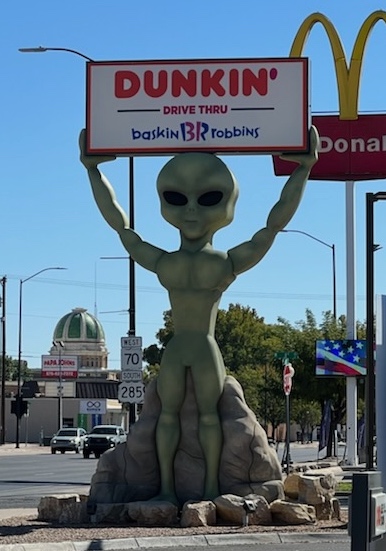
Although I had been told and warned that the annular eclipse wasn’t as dramatic or even as good as a total eclipse, because during a total eclipse it briefly becomes night during the day, still I had to make the assessment for myself and trekked out to the annular path that was not close. As an astronomy writer, amateur astronomer, a UFO enthusiast and a believer government cover-ups, visiting Roswell, New Mexico was on high on the bucket list. So when I discovered the annular path for the Oct. 14 eclipse ran through this city, I didn’t hesitate to make it my destination for that astronomical event. I read somewhere that the Roswell, New Mexico embraces it’s alien culture but still was completely unprepared by the number of alien and UFO structures and tourist shops. It seemed obvious that the stores learned that the alien and UFO swag are money makers. It’s the only place in our nation where you’ll find a UFO shaped McDonald’s, complete with aliens standing outside! One stands in front and pointing and looking up while the other just stands there, observing those that might pass by. There’s a 22-foot tall alien that holds a Dunkin and Baskin Robbins drive-thru sign. They even hold a UFO Festival over July Fourth! That’s not to mention the International UFO Museum and Research Center or even the nearby air base.
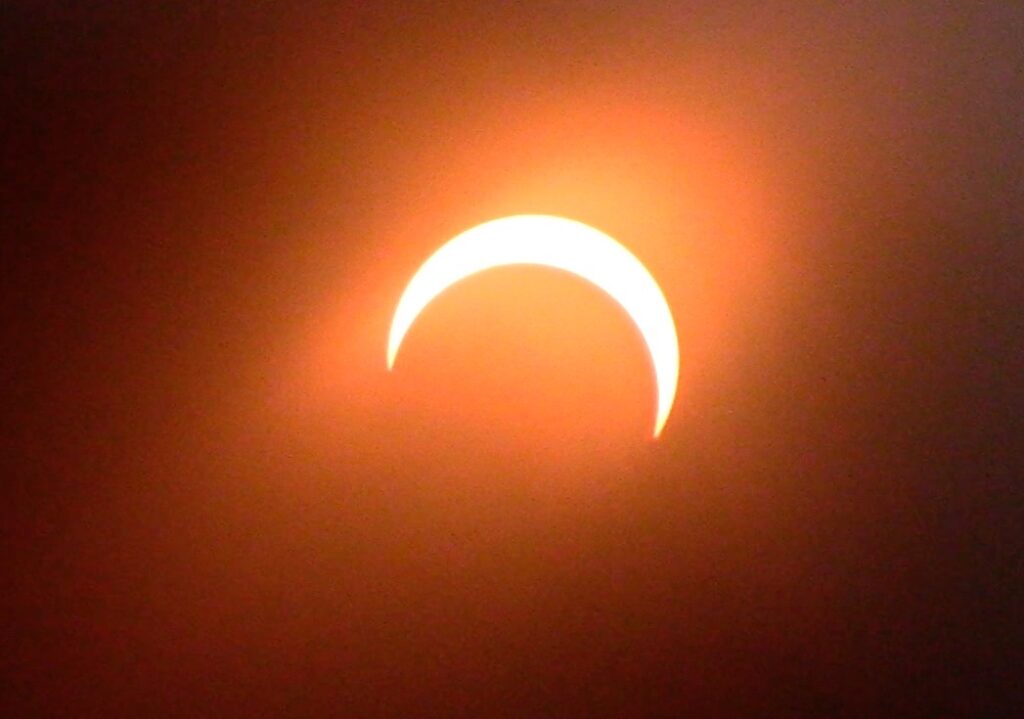
As I was told, during the peak of the annular eclipse Oct. 14, it was barely noticeable with the unaided eye – assistance is needed it in order to experience it fully – such as using solar glasses or using two pieces of paper to look at a reflection of the Sun, which is similar to creating a pinpoint camera. The Sun definitely looked different that day – it almost seemed both – brighter and dimmer! According to NASA, the Sun gets about 10% dimmer during an annular eclipse. We went to the Cielo Grand Recreation Area, at the corner of West College Boulevard and N. Montana Avenue. Roswell’s Astronomical Society was set up across the street at Spaceport Park. Since I wasn’t feeling well, I didn’t make any attempts to reach out to them except admiring their gear as we drove by. When I looked about the parking lot, it was hard to notice it was dimmer. During this annular eclipse there was a Sun halo that caught a few colors of the spectrum so at times it seemed brighter. Nevertheless our Sun was just too overpowering for the moon that was a little further away than normal, in relation to its orbit. I was able to catch the peak of the total eclipse on video without any solar screens so I anticipated the same for the annular but the effect wasn’t as revealing as it was during the total eclipse. I finally used the solar glasses for recording and was able to catch the beautiful and rarely seen crescent Sun. I enjoyed the rest of the eclipse through solar glasses over the lens of my camcorder.
The rest of the day was like any other as the Sun shined brightly in Roswell, New Mexico. As a timeless event, I couldn’t help but think of some ancient societies that might not have possessed the knowledge of eclipses and wonder how they endured such events. Did many loose or impair their vision because they kept looking at the Sun? It’s most likely not since it doesn’t happen instantaneously it does take several hours, like four to six hours. Again, I had to visit Roswell since it’s infamous for a 1947 UFO incident that thrust the small town in the limelight when they announced a UFO crashed near its city. Less than 24-hours later, the federal government announced that it was actually a weather balloon that crashed. Locals said that the government replaced the broken pieces of the UFO with weather balloon pieces and some even claimed to have seen or were involved with an alien autopsy. The Roswell UFO Walking Tour takes people around to key sites as the Roswell incident unfolded except for the crash site. Due to its remote location, going to the actual site crash site wasn’t included with this tour. The alleged crash site is about 70 miles from Roswell and now has a monument acknowledging the incident. Most of the walking tour was spent in a large van. The first stop on the tour was the police station. Of course it has since expanded quite a bit but the original building is still noticeable. This is where farmer, Mac Brazel, showed up with box full of debris that he said was scattered all over his ranch. Those who saw the items described them as “not being of this world”. The police station was one of the few buildings that is still being used as it was originally intended 76 years later. The other buildings that had a place in the incident, the radio stations and newspapers, are now restaurants. It was our tour guide that revealed the jets that dropped the bombs on Hiroshima and Nagasaki in 1945 came from the Roswell Army Air Field. It was these bombings that would eventually end World War II with Japan’s surrender. We also learned that for many years those jets were on standby with bombs, just in case. However that isn’t entirely accurate, it was 509th Composite Group at Wendover Army Airfield, Utah and activated Dec. 17, 1944 who trained for the mission. They were later relocated to Roswell Army Airfield Nov. 6, 1945. The details of the event are also laid out with pictures and signed avadavats from the 1990s in the International UFO Museum and Research Center, which includes some air base history nuggets, as well. Another thought our tour guide left us with was, “Why little green aliens? No one said that they were green.” Our tour guide also reminded us that it was the 1989 episode of Unsolved Mysteries that re-introduced the world to the Roswell incident. It was the second episode of the second season. However it was a signed sworn affidavit that was released after the death of Walter Haut, the public information officer that issued the press release about the Roswell incident. He was sworn to secrecy by the base commander and close personal friend, Colonel William Blanchard. Haut found a way to keep his word to his friend and the government while still revealing the truth by releasing a signed affidavit of the Roswell incident after his death. It states that there were two crash sites with flying discs and several bodies of aliens. After Haut’s death in 2005, the affidavit was published in 2007 in book titled, “Witness to Roswell: Unmasking the Government’s Biggest Cover-Up,” by Don Schmitt, UFO researcher and Thomas Carey, investigative author. Although Roswell’s population almost makes it a budding metropolis, it has that small town feel, particularly with its older buildings downtown. For instance, the visitor’s center was once a gas station when it opened 100 years ago. What really gives it the small hometown feel are its friendly people. Everyone was really friendly and most were more than happy to talk about the City’s claim to fame. Besides having the pleasure of visiting a different state, the trip to see the annular eclipse was worth it. Again, we rarely get to see that crescent Sun and think it’s a treat, regardless of the type of eclipse. We plan to go to Austin, Texas for the April 8 total eclipse.
Presentation on May 3, 2024 8:00pm PST in the CSM Planetarium
Dr Emmanuel Schaan: Staff Scientist at SLAC National Accelerator Laboratory
A Cosmic Shadow Theater: How Galaxy Silhouettes Reveal Their Dark Side
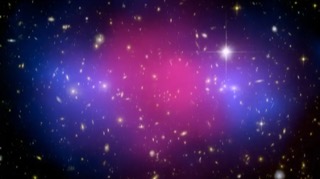
Using the Cosmic Microwave Background to reveal the invisible components of galaxies to shed light on the nature of Dark Matter, Dark Energy and the formation of galaxies.
Free and open to the public.
About 13.8 billion years ago, our universe ballooned outward at an incredible speed. Everything we observe today, which had been packed tightly together, expanded in a roiling mass of light and particles. It took 380,000 years for this hot, dense soup to thin and cool enough to allow light to travel through it. This first light, dating back to the formation of early atoms, is called the cosmic microwave background (CMB) and reflects the initial conditions of the universe. This afterglow from the Big Bang, the CMB, also acts as the backlight in a shadow theater where galaxies are the protagonists. The resulting galaxy shadows contain unique information about the invisible components of galaxies, such as their cold gas and dark matter, which hold clues to the nature of dark matter, dark energy, and the formation of galaxies. I will present some of the scientific efforts to reveal these galaxy silhouettes, using unprecedented cosmic microwave background experiments and galaxy surveys.
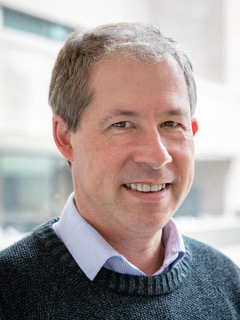
Dr Emmanuel Schaan is a staff scientist at SLAC National Accelerator Laboratory. As a cosmologist, he studies the origin and evolution of the universe by analyzing data from large telescopes in the U.S., Chile and space. His work focuses on the cosmic microwave background, the earliest light visible after the Big Bang, and on the large-scale distribution of galaxies. Schaan grew up in Paris, France. After studying at Ecole Normale Supérieure, he moved to Princeton, where he received his PhD. in 2017, and then worked as a Chamberlain Fellow at Lawrence Berkeley National Laboratory before joining SLAC in 2022. He loves astrophotography, tinkering, electronics and DIY
Speaker: Rob Hawley, Eclipse Chaser; Fremont Peak Observatory Association
Experiencing the Great North American Eclipse
Free and open to the public.
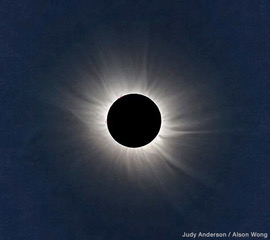
On April 8 the Great North American Eclipse will occur. This will be an eclipse you will want to experience and photograph. It will be the last total solar eclipse visible in the Contiguous United States until August 23, 2044. In this presentation, you will learn from an accomplished eclipse chaser how to best experience a solar eclipse whether as an astrophotographer or just for the joy of viewing it!
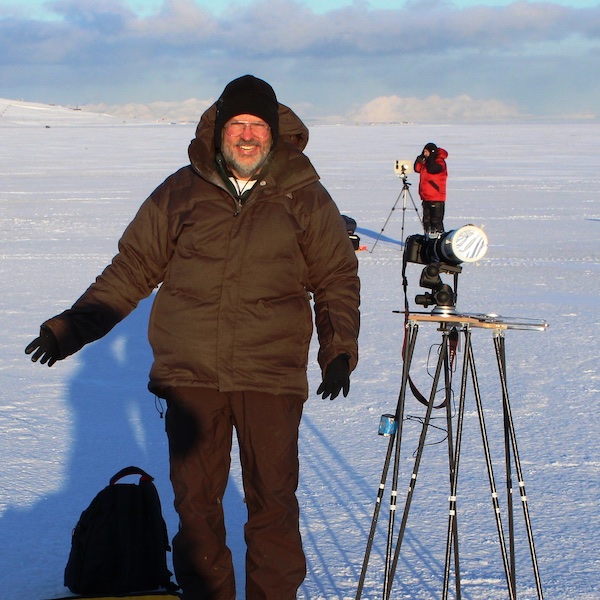
Rob Hawley is a serious amateur astronomer, experienced solar eclipse chaser, budding astrophotographer, and Treasurer/volunteer with the Fremont Peak Observatory Association (FPOA). Since 1999 he has traveled the world chasing the shadow of the moon, bagging 18 solar eclipses in the process. He has experienced total, annular, and hybrid eclipses on 6 continents and several oceans. The wealth of eclipse experience he has gained on these trips will be shared with us in his presentation, including how best to view and photograph eclipses, especially the upcoming one on April 8, dubbed the ‘Great North American Eclipse’. He is the author of the CaptureEclipse app used to automate photography during totality. He is also an experienced world traveler, from Svalbard to the South Pole and circumnavigating the world with National Geographic. In his spare time, he has built a backyard observatory at his home in San Jose, the Almaden Observatory. We are fortunate that he will be taking a break from his travels to join us at the CSM Planetarium on March 1!
Libya 2006. (c) Rob Hawley
More information about Rob’s experiences and photographs can be found at his website
Presentation on December 6, 8:00pm PST in the CSM Planetarium
Speaker: Shannah Withrow, Aerospace Engineer, NASA Ames Research Center
The Future of Mars Helicopters
Free and open to the public.
Ingenuity has shown that flying in the Martian atmosphere is possible and that helicopters can provide critical insight and support to ground-based assets. Though Ingenuity was designed for five flights, to date, 66 flights have been completed with ~119 min of flight time and ~9 miles flown. What would it take for an Ingenuity-class helicopter to help return the first samples from Mars to Earth? The smallest robotic arm ever flown on Mars, more capable rotors, a driving system, and flight software upgrades to start. The Mars Sample Recovery Helicopters are in development to provide backup to the Perseverance rover as part of the Mars Sample Return mission concept. Come hear about the work required to quickly transition a helicopter design from a technology demonstrator to a flying, driving, sample-collecting capable vehicle and the potential future of rotorcraft on Mars.
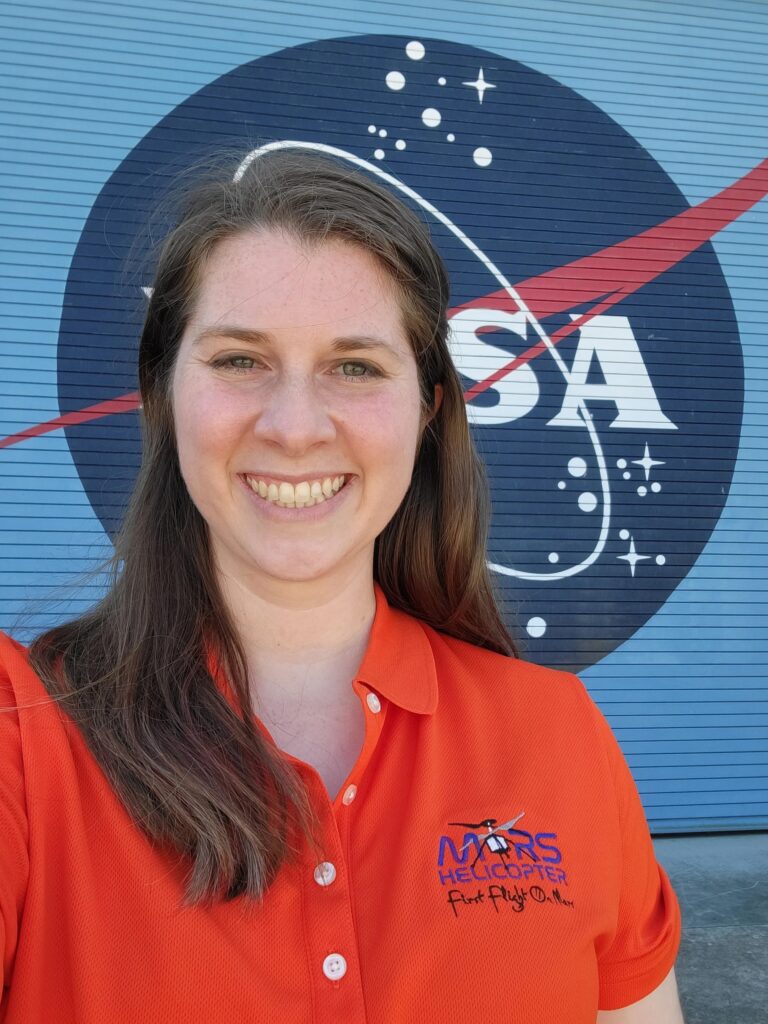
Shannah Withrow-Maser is an Aerospace Engineer at NASA Ames Research Center. She is the Aeronautics System Lead for the Mars Sample Recovery Helicopter and the Vehicle Systems Lead for the Mars Science Helicopter, the next generation of Mars rotorcraft which will enable exploration of previously inaccessible regions of Mars for science and human exploration.
Shannah joined the NASA Ames community in 2014 as a first-generation college student in the Aeromechanics Internship Program and converted to full-time civil service in 2019 after completing the Pathways Program. Outside of the Mars rotorcraft program, Shannah has supported handling qualities work in the Vertical Motion Simulator, mentored ~160 high school, undergraduate, and graduate college students, and is currently working on adapting rotorcraft tools from urban air mobility and Mars applications to the extreme environments on natural disasters. She was also a founding member of the first-ever Ames Early Career Advisory Group and agency-wide NASA United Early Career Group. Shannah is a member of the 2023 Forbes 30 Under 30 class, and seeks to embody the quote from Ayesha Siddiqi, “Be the person you needed when you were younger.”
Hewlett Teaching Center 370 Jane Stanford Way, Room 201 Stanford University Stanford, CA 94305
Chaotic quantum dynamics and the quantum geometry of spacetime
Research in string theory has uncovered deep connections between strongly coupled quantum systems with chaotic dynamics and the quantum physics of black hole spacetimes. The realization of these ideas for cosmological spacetimes such as de Sitter space is much less well understood. After highlighting some of the challenges for finding a quantum mechanical description of an accelerating universe, we describe some recent progress toward this goal in the form of a close link between the Sachdev-Ye-Kitaev model and quantum de Sitter spacetime in low dimensions.
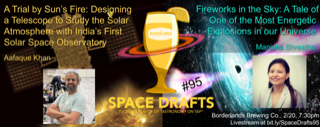
A Trial by Sun’s Fire: Designing a Telescope to Study the Solar Atmosphere with India’s First Solar Space Observatory Speaker: Aafaque Khan
Fireworks in the Sky: a tale of one of the most energetic explosions in our universe Speaker: Manisha Shrestha
On tap this month, we have Steward Observatory graduate student talking about India’s first solar space observatory, and Steward Observatory postdoc Manisha Shrestha teaching us about the most energetic explosions in the universe! And you won’t want to miss the latest Astronomy in the News with Steward postdocs Jackie Champagne and Danny Krolikowski!
Commonwealth Club 110 The Embarcadero San Francisco, CA 94105
From Cancer to UAP – A Common Investigatory Framework to Study the Knowable
Join us in person for a fascinating conversation with Garry Nolan, a cancer researcher at Stanford School of Medicine, whose scientific research interests extend to Unidentified Aerial Phenomena (UAP).
The study of the unknown starts with an observation of nature that begs explanation. Science as a template for exploring nature, or phenomenon, proceeds according to rules laid out over at least two millennia in Western civilization alone. Framed against a universe now thought to be nearly 15 billion years old, what have we yet to learn, and what might others have learned separately from humanity?
Nolan will talk about one path through science that started with traditional investigations of how questions lead to human benefit in his cancer and immunology work over the last few decades, and will use that as a template to focus on the reasons why we should be interested in UAP and the potential benefits even asking those questions might provide to human progress, with an emphasis on exploitation of the potential science of alleged UAP materials and physics.
Speaker: Garry Nolan, Stanford School of Medicine; George Hammond, Author, Moderator
Fungi hold immense promise as cell factories for a sustainable future. Their remarkable versatility, coupled with their ability to produce a vast array of valuable bioproducts, makes them indispensable allies in our efforts to address global challenges and create a more sustainable processes. By harnessing the power of these microbial marvels, we can pave the way for a future where biotechnology plays a pivotal role in addressing the pressing needs of humanity while safeguarding the delicate balance of our planet and our exploration of outerspace locations.
At the same time, fungi can also be critical since they can be responsible for the production of unwanted compounds (e.g., mycotoxins) and infect many different organisms, posing as a threat to our own health (as highlighted by the fungal priority pathogens list released by the World Health Organization), and therefore our survival outside our planet, especially in long term space missions.
For all of these reasons astromycology needs to better research the impact of fungi in space exploration, to develop new processes and technologies that can be safely used during space missions (and also transferred to our planet and daily lives), in order to better plan and implement safer and more sustainable space missions.
Speaker: Marta Filipa Simões, Macau University of Science and Technology
Sonoma State University Public Astronomy Observatory 1801 East Cotati Ave Rohnert Park, CA 94928
Public Astronomy Viewing Nights
Sonoma State University hosts astronomical viewing nights open to the public. Events are weather dependent. Check the weblink for cancelations prior to attending.
Telescope Makers Workshop Chabot Space and Science Center 10000 Skyline Boulevard Oakland, CA 94619-245
The Chabot Telescope Maker’s workshop reopens! Chabot’s TMW is one of only a handful of regularly scheduled telescope making workshops in the U.S., and probably the world; it meets every Friday evening throughout the year, except Memorial Day weekend. It has been in operation since December of 1930, founded by Franklin B. Wright, and is currently run by Eastbay Astronomical Society member Rich Ozer, with help from other EAS members, Dave Barosso, Barry Leska, and others. The price of admission is FREE. All you have to do is show
up, buy a mirror blank and a “tool” (typically around $100 – $200 depending on the size of the mirror) and start “pushin’ glass!” We supply you with instruction, the various grits you’ll need to first grind, and then polish and figure your mirror, and all the testing equipment needed. With a small bit of luck, you could wind up with a telescope that costs 1/3 or 1/4 the cost of a store-bought telescope, that is yet optically superior! It does take time – depending on how much time you put in on it, and other factors, it could take a few months.. But, it’s a fun project, great for kids, and at the end you get a great telescope!
Enter from the main loading dock behind the main building.
Please be prepared with proof of vaccination and a mask. These are Chabot Rules, which we always must adhere to.
If you have a project, bring it with you so we can assess next steps. You can also bring any other equipment or literature you may have questions about.
For more information call or email Richard Ozer at richozer1@… or phone (510) 406-1914.
=============================
Friday, 03/01/2024 9PM-11PM for night observing and Saturday 03/02/2024 10AM-12 Noon for solar observing In-person
Foothill Observatory is open again! 12345 El Monte Road Los Altos Hills, CA 94022
Foothill Observatory now Open EVERY clear Friday night and Saturday morning
The Foothill College Astronomy Department and Peninsula Astronomical Society (PAS) have reopened public viewing programs at Foothill College Observatory on:
· Every clear Friday night from 9 p.m. to 11 p.m. for star gazing
· Every clear Saturday morning from 10 a.m. to noon for solar viewing
Since we are still dealing with COVID, we are adopting the following guidelines to enable safe operation of the Observatory for both our public visitors and our PAS operators. We ask that visitors please agree to complying with these guidelines before visiting the Observatory, and to direct any questions to info@….
ATTENDANCE GUIDELINES 1. Full vaccination against COVID-19 is required to visit the Foothill College campus — This is a College requirement detailed on the Foothill College COVID-19 Behavioral Expectations page. So bring your vaccination certificate if possible.
2. Mask usage is required anytime visiting the Foothill College campus — This includes the Observatory, per the same college policy linked above in item 1.
3. The number of visitors allowed inside the Observatory is reduced — To avoid overcrowding within the limited space, please wait outside the observatory until a PAS telescope operator lets you and your group inside. Once your group is done viewing through the telescope, you will exit the Observatory so that a new group may enter.
Friday, 03/01/2024 and Saturday 03/02/2024 07:30 PM – 10:00 PM–Free telescope viewings are back! In-person
Chabot Space and Science Center 10000 Skyline Blvd Oakland, CA 94619
Free Telescope Viewings
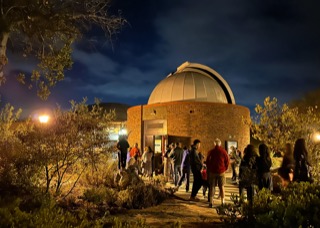
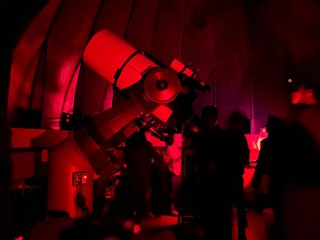
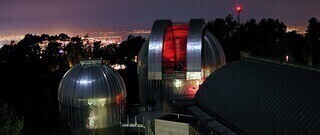
Join Chabot astronomers on the Observatory Deck for a free telescope viewing! Weather permitting, this is a chance to explore stars, planets and more through Chabot’s historic telescopes. Chabot’s three large historic telescopes offer a unique way to experience the awe and wonder of the Universe. Our observatory deck offers breathtaking views 1,500 feet above the Bay. Three observatory domes house the Center’s 8-inch (Leah, 1883) and 20-inch (Rachel, 1916) refracting telescopes, along with a 36-inch reflecting telescope (Nellie, 2003).
Are the skies clear for viewing tonight? Viewing can be impacted by rain, clouds, humidity and other weather conditions. Conditions can be unique to Chabot because of its unique location in Joaquin Miller Park. Before your visit, check out the Weather Station to see the current conditions at Chabot.
Veterans of the Nike program come to the site to share their stories with visitors and give guided tours of SF88 between the hours of 12pm – 3pm
The SF-88 Nike Missile Site is the most fully restored Nike missile site in the country. During the tense years of the Cold War, from 1953 to 1979, the United States Army built and operated close to 300 Nike missile sites in the United States. These sites were designed to be the last line of defense against H-Bomb carrying Soviet bombers that had eluded the Air Force’s interceptor jet aircrafts. SF-88 in the Marin Headlands was one such site. Today, Golden Gate National Recreation Area works together with a dedicated group of volunteers to preserve the site as it was during operations to remind visitors of the physical and psychological effects of the Cold War on the American landscape.
Saturday, March 02, 2024 Sunset: 6:04 PM In-person
San Mateo Co. Astronomical Society Crestview Park 1000 Crestview Drive San Carlos, CA
Public Star Parties at Crestview Park in San Carlos
SMCAS and the City of San Carlos Parks Department host a public star party at Crestview Park in San Carlos twice a month when there is a new moon. Members set up telescopes and let the public view and share their knowledge of the night sky all for Free. All ages are welcome. If you have kids interested in space or science, bring them here for a real time view of planets, nebula, star clusters, and galaxies.
If you are a Non-member and own a telescope, bring it to share! Experts are available if you need assistance or have questions about buying a telescope.
Telescope setup begins at sunset and observing starts one hour after sunset. In the event of inclement weather (rain, clouds, fog, or high winds) the star party will be cancelled. Because each astronomer makes his or her own decision about bringing their telescope, there is no official cancellation notice.
Crestview Park is located at 1000 Crestview Drive in San Carlos
=============================
Sunday, 03/03/24 01:30 PM – 03:30 PM
In-person
San Jose Astronomical Association Houge Park 3972 Twilight Drive San Jose, CA 95124
Solar Observing
Cost: Free
=============================
Monday, 03/04/24 03:30 PM – 04:30 PM
This event was originally scheduled on February 5, 2024
Attend in person or online via Zoom.
Stanford Linear Accelerator (SLAC) Colloquium Series 2575 Sand Hill Rd, Building 51 Kavli Auditorium Menlo Park, CA 94025
Muon colliders offer a unique path to multi-TeV, high-luminosity lepton collisions. Muon collisions with a center-of-mass energy of 10 TeV or above would offer significant discovery potential where the constituent collision energies exceed those of the LHC program by an order of magnitude. Significant progress on the fundamental R&D and design concepts for such a machine has led to a new international effort to assemble a conceptual design within the next few years. This effort will assess the viability of such a machine as a successor to the LHC program. The remaining challenges and the R&D required to deliver a complete machine description will be described.
Speaker: Mark Palmer, Brookhaven National Laboratory
Marin Science Seminar 320 Nova Albion Way Terra Linda High School Innovation Hub 1st Floor San Rafael, CA 94903
Wonderfest: The Most Famous Equation
Around the world, people recognize that E=mc^2 oozes cosmic insight. But what does this “most famous equation” really say? What are energy and mass? And what makes the speed of light, c, so important? [Hint: mass, moving at speed c, doesn’t turn into energy!] Using little more than common experience and middle-school math, Einstein’s “special relativity” gem can come to life – with surprising insights into the nature of reality.
This event is co-produced by Wonderfest and Marin Science Seminar. Our speaker is long-time physics teacher Tucker Hiatt, founding director of Wonderfest. Tucker has been a Visiting Scholar in the Stanford Chemistry Department and is a recipient of the Amgen Award for Science Teaching Excellence.
Chabot Space and Science Center 10000 Skyline Blvd Oakland, CA 94619
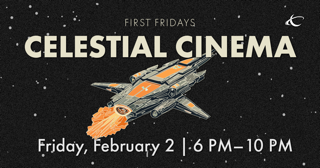
First Friday: Celestial Cinema
Join Chabot in a galaxy far, far away to get a behind-the-scenes look at how space films are made and put science in science fiction with experts in the field of filmmaking. Create your own flipbook sci-fi adventure, attend hands-on workshops and guest lectures, and take a trip to a distant galaxy in our Planetarium. First Friday: Celestial Cinema is a sci-fi fantasy adventure the whole family can enjoy!
San Mateo Co. Astronomical Society College of San Mateo Bldg 36 1700 W Hillsdale Rd San Mateo, CA 94402
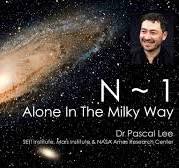
N = 1: Alone in the Milky Way
Speaker: Dr. Pascal Lee
Planetary scientist Dr. Pascal Lee will review our present knowledge about each term of the Drake Equation used to estimate the number (N) of advanced civilizations present in our Milky Way galaxy, which is at the heart of the Search for Extraterrestrial Intelligence (SETI). He will examine star and planet formation, geological and biological evolution, the emergence of intelligence and technology, and possible fates of advanced civilizations. Even though planets are plentiful in the Milky Way and life as a natural product of chemical and biological evolution is likely common, he reaches the surprising conclusion that the number of advanced civilizations in our Galaxy is likely a small number, most likely N~1. Says Dr. Lee: “We might be it in the vastness of our galaxy, or there might be just one other…”. Implications of N~1 are profound and will be discussed.
Telescope Makers Workshop Chabot Space and Science Center 10000 Skyline Boulevard Oakland, CA 94619-245
The Chabot Telescope Maker’s workshop reopens! Chabot’s TMW is one of only a handful of regularly scheduled telescope-making workshops in the U.S., and probably the world; it meets every Friday evening throughout the year, except Memorial Day weekend. It has been in operation since December of 1930, founded by Franklin B. Wright, and is currently run by Eastbay Astronomical Society member Rich Ozer, with help from other EAS members, Dave Barosso, Barry Leska, and others. The price of admission is FREE. All you have to do is show
up, buy a mirror blank and a “tool” (typically around $100 – $200 depending on the size of the mirror), and start “pushin’ glass!” We supply you with instructions, the various grits you’ll need to first grind, and then polish and figure your mirror, and all the testing equipment needed. With a small bit of luck, you could wind up with a telescope that costs 1/3 or 1/4 the cost of a store-bought telescope, that is yet optically superior! It does take time – depending on how much time you put in on it, and other factors, it could take a few months.. But, it’s a fun project, great for kids, and at the end, you get a great telescope!
Enter from the main loading dock behind the main building.
Please be prepared with proof of vaccination and a mask. These are Chabot Rules, which we always must adhere to.
If you have a project, bring it with you so we can assess the next steps. You can also bring any other equipment or literature you may have questions about.
For more information call or email Richard Ozer at richozer1@… or phone (510) 406-1914.
=============================
Friday, 02/02/2024 9 PM-11 PM for night observing, and Saturday 02/03/2024 10 AM-12 Noon for solar observing In-person
Foothill Observatory is open again! 12345 El Monte Road Los Altos Hills, CA 94022
Foothill Observatory is now Open EVERY clear Friday night and Saturday morning
The Foothill College Astronomy Department and Peninsula Astronomical Society (PAS) have reopened public viewing programs at Foothill College Observatory on:
· Every clear Friday night from 9 p.m. to 11 p.m. for star gazing
· Every clear Saturday morning from 10 a.m. to noon for solar viewing
Since we are still dealing with COVID-19, we are adopting the following guidelines to enable the safe operation of the Observatory for both our public visitors and our PAS operators. We ask that visitors please agree to comply with these guidelines before visiting the Observatory and to direct any questions to info@…
ATTENDANCE GUIDELINES 1. Full vaccination against COVID-19 is required to visit the Foothill College campus — This is a College requirement detailed on the Foothill College COVID-19 Behavioral Expectations page. So bring your vaccination certificate if possible.
2. Mask usage is required anytime visiting the Foothill College campus — This includes the Observatory, per the same college policy linked above in item 1.
3. The number of visitors allowed inside the Observatory is reduced — To avoid overcrowding within the limited space, please wait outside the observatory until a PAS telescope operator lets you and your group inside. Once your group is done viewing through the telescope, you will exit the Observatory so that a new group may enter.
Friday, 02/02/2024 and Saturday 2/03/2024 07:30 PM – 10:00 PM–Free telescope viewings are back! In-person
Chabot Space and Science Center 10000 Skyline Blvd Oakland, CA 94619
Free Telescope Viewings
Join Chabot astronomers on the Observatory Deck for a free telescope viewing! Weather permitting, this is a chance to explore stars, planets, and more through Chabot’s historic telescopes. Chabot’s three large historic telescopes offer a unique way to experience the awe and wonder of the Universe. Our observatory deck offers breathtaking views 1,500 feet above the Bay. Three observatory domes house the Center’s 8-inch (Leah, 1883) and 20-inch (Rachel, 1916) refracting telescopes, along with a 36-inch reflecting telescope (Nellie, 2003).
Are the skies clear for viewing tonight? Viewing can be impacted by rain, clouds, humidity, and other weather conditions. Conditions can be unique to Chabot because of its unique location in Joaquin Miller Park. Before your visit, check out the Weather Station to see the current conditions at Chabot.
Veterans of the Nike program come to the site to share their stories with visitors and give guided tours of SF88 between the hours of 12 pm – 3 pm
The SF-88 Nike Missile Site is the most fully restored Nike missile site in the country. During the tense years of the Cold War, from 1953 to 1979, the United States Army built and operated close to 300 Nike missile sites in the United States. These sites were designed to be the last line of defense against H-Bomb carrying Soviet bombers that had eluded the Air Force’s interceptor jet aircraft. SF-88 in the Marin Headlands was one such site. Today, Golden Gate National Recreation Area works together with a dedicated group of volunteers to preserve the site as it was during operations to remind visitors of the physical and psychological effects of the Cold War on the American landscape.
Saturday, February 03, 2024 Sunset: 5:35 PM In-person
San Mateo Co. Astronomical Society Crestview Park 1000 Crestview Drive San Carlos, CA
Public Star Parties at Crestview Park in San Carlos
SMCAS and the City of San Carlos Parks Department host a public star party at Crestview Park in San Carlos twice a month when there is a new moon. Members set up telescopes and let the public view and share their knowledge of the night sky all for Free. All ages are welcome. If you have kids interested in space or science, bring them here for a real-time view of planets, nebula, star clusters, and galaxies.
If you are a Non-member and own a telescope, bring it to share! Experts are available if you need assistance or have questions about buying a telescope.
Telescope setup begins at sunset and observing starts one hour after sunset. In the event of inclement weather (rain, clouds, fog, or high winds) the star party will be canceled. Because each astronomer makes his or her own decision about bringing their telescope, there is no official cancellation notice.
Crestview Park is located at 1000 Crestview Drive in San Carlos
=============================
Saturday, 02/03/24 06:30 PM – 08:30 PM In-person
Rancho Cañada Del Oro Open Space Preserve 4289 Casa Loma Rd Morgan Hill, CA 95037
Starry Nights Star Party
The San Jose Astronomical Association (SJAA), working with the Santa Clara County Open Space Authority (OSA), is glad to co-host a public star party at Rancho Canada del Oro (RCDO) Open Space Preserve. This site, just 30 minutes south of downtown San Jose, features dark skies. It’s dark enough to see the band of our Milky Way galaxy in the summer.
Do not bring your own telescope (binoculars are welcome, but please no tripods). SJAA club members will set up their telescopes to help star party guests get the most knowledge and enjoyment out of the dark night sky.
In addition to traditional telescopes, the SJAA has incorporated Electronically Assisted Astronomy (EAA) into the Starry Nights Program. We will be using an automated telescope with a camera-like sensor to show live images on an iPad.
· This is a family-friendly event, and although younger children are welcome, this activity is best suited for children aged 5 years and older.
· No touching the telescopes or eyepieces. (Maybe a focus knob, if instructed by the astronomer. It’s OK to ask).
· Dress in warm layers (it gets cold at night).
· Flashlights: To help preserve everyone’s night vision, if you bring a dim white flashlight, be sure to have it wrapped in red plastic, or get it wrapped at the sign-in desk.
· Registration for this event has a limit of approximately 85 people due to available parking space at the observing site.
San Jose Astronomical Association Houge Park 3972 Twilight Drive San Jose, CA 95124
Solar Observing
It’s there for us year-round, lighting our days and providing energy for our lives, so maybe it’s time to give it a closer look. Join SJAA for amazing and detailed views of the Sun, and be assured that we’ll be using special telescopes that will keep your eyeballs perfectly safe.
We’ll have white-light telescopes with dense solar filters that reveal sunspots. Further, we’ll show you hydrogen-alpha telescopes that isolate a very specific color of red that reveals prominences (often thought of as solar flares) and intricate texture within the Sun’s chromosphere (its atmosphere).
We can also share with you a little about how the Sun works and how complex magnetic fields drive the number of sunspots and prominences that we’ll see on a given day.
Around 1:45, we’ll have a short, informal introductory talk, and at other times, you can enjoy the views and ask questions about the Sun, telescopes, or astronomy in general.
We’re also planning a station for you to get a better feel for the huge scale of our solar system! And you’ll get a solar system you can fold up and carry in your pocket.
You may bring your own telescope. If you have a properly filtered white light or H-alpha telescope and want to share views with others, please arrive at 1:30 or earlier, so you have time to set up before the event officially starts.
Physics North UC Berkeley Room 1 Berkeley, CA 94720
The Search for Wavy Dark Matter: Axions ABRACADABRA to DMRadio
The particle nature of dark matter remains one of the great open questions in physics. There is a broad category of candidates whose mass is so light that they behave more as waves than as particles. The most well-known is the axion, which has had a renaissance as a dark matter candidate as theoretical studies have improved our understanding of axion cosmology and advances in quantum sensing and cryogenics have opened new opportunities for detection. In this talk, I will present an overview of the field of wavy dark matter and with a focus on my work to realize a definitive search for GUT-scale axions with the DMRadio program and the ABRACADABRA demonstrator.
Speaker: Lindley Winslow, Massachusetts Institute of Technology
Benjamin Dean Astronomy Lecture California Academy of Sciences 55 Music Concourse Dr. San Francisco, CA 94118
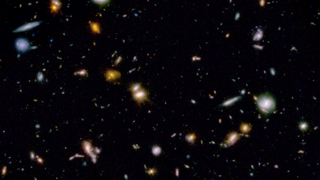
The Hunt for the First Galaxies
Seeking the first galaxies to form after the Big Bang is the primary rationale for building the James Webb Space Telescope (JWST). These first galaxies have eluded the Hubble Space Telescope (HST) because the expansion of the Universe has stretched their light to wavelengths undetectable by HST. With its increased sensitivity in infrared light, JWST has discovered hundreds of galaxies more distant than HST could possibly detect, and the first galaxies are forming stars earlier and more rapidly than expected.
Tuesday, 02/06/24 3:30 PM-rescheduled from 01/30/2024 In-person
Hewlett Teaching Center 370 Jane Stanford Way, Room 201 Stanford University Stanford, CA 94305
Extreme Electrodynamics of Neutron Stars and Black Holes
The development of classical electromagnetism and quantum electrodynamics are high points of nineteenth and twentieth-century physics, respectively. Recent, remarkable discoveries, involving neutron stars and black holes, are taking electrodynamics into unfamiliar and “extreme” territory, requiring new theoretical approaches. Examples include 100 GT (10^15 Gauss) magnetic fields surrounding neutron stars (and possibly a hundred times greater within neutron stars), the production of radio waves with effective temperatures of 10^40 K, gravitational wave sources with powers as high as 10^49 W, the emission of neutrinos and gamma rays with energies in the PeV range and the acceleration of cosmic rays with energies up to million times greater than this, perhaps involving EMFs as large as 10^23 V, generated by spinning black holes. The rapidly developing observational situation will be summarized, along with some of the competing ideas and approaches under active investigation.
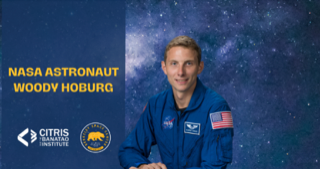
Warren “Woody” Hoburg was selected by NASA to join the 2017 Astronaut Candidate Class. He reported for duty in August 2017 and having completed the initial astronaut candidate training became eligible for a mission assignment. The Pennsylvania native earned a bachelor’s degree in aeronautics and astronautics from the Massachusetts Institute of Technology (MIT) and a doctorate in electrical engineering and computer science from the University of California, Berkeley. He was leading a research group at MIT at the time of his selection. He is an instrument-rated commercial pilot in single-engine and multi-engine airplanes.
Hoburg launched to the International Space Station as pilot of NASA’s SpaceX Crew-6 mission aboard a SpaceX Crew Dragon spacecraft on March 2, 2023. After splashing down safely in a SpaceX Dragon spacecraft off the coast of Jacksonville, Florida on Sept. 4, 2023, NASA’s SpaceX Crew-6 completed the agency’s sixth commercial crew rotation mission to the International Space Station. Woody Hoburg has logged 186 days in space over his increment (Expedition 69) for a total of 186 days in space on his first flight. Hoburg conducted two EVAs totaling 11 hours, and 38 minutes.
Exploring the Gravitational Wave Universe: New Discoveries and Plans
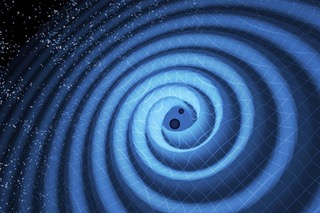
Measuring gravitational waves is a revolutionary new way to do astronomy. They were predicted by Einstein but we did not have the technology to find them in his lifetime. In 2015, LIGO (the Laser Interferometer Gravitational-wave Observatory) first detected one of these waves – a tiny ripple in space itself, generated by the collision of two black holes. Since then, LIGO and its international partners have measured nearly 100 signals. What can we learn from these bursts of energy from the mergers of black holes or the collision of two neutron stars? How is it possible to measure a wave that stretches our detector 1000 times less than the diameter of a proton? And what’s coming next in our search for these tell-tale ripples in space?
Speaker: Dr. Brian Lantz is a Senior Research Scientist at Stanford University. He started working on LIGO in 1991 as an undergraduate in Nobel Laureate Rai Weiss’s lab at MIT and continued there for his PhD, building high-power interferometers that were prototypes for LIGO. Dr. Lantz is the scientific leader for the Advanced LIGO seismic isolation system, and he is designing new mirror suspensions to upgrade Advanced LIGO. He loves to work on these amazing machines.
San Jose Astronomical Association Houge Park 3972 Twilight Drive San Jose, CA 95124
In Town Star Party
Come join the San Jose Astronomical Association (SJAA) for an evening of stargazing.
• Events are held at the parking lot of our headquarters, Houge Park San Jose. The event duration is 2 hours. SJAA volunteers will share night sky views from their telescopes.
• Please refrain from bringing your own telescopes (Binoculars are welcome). If you like to be a volunteer with or without a telescope please email at “itsp@sjaa.net“.
Telescope Makers Workshop Chabot Space and Science Center 10000 Skyline Boulevard Oakland, CA 94619-245
The Chabot Telescope Maker’s workshop reopens! Chabot’s TMW is one of only a handful of regularly scheduled telescope-making workshops in the U.S., and probably the world; it meets every Friday evening throughout the year, except Memorial Day weekend. It has been in operation since December of 1930, founded by Franklin B. Wright, and is currently run by Eastbay Astronomical Society member Rich Ozer, with help from other EAS members, Dave Barosso, Barry Leska, and others. The price of admission is FREE. All you have to do is show
up, buy a mirror blank and a “tool” (typically around $100 – $200 depending on the size of the mirror), and start “pushin’ glass!” We supply you with instructions, the various grits you’ll need to first grind, and then polish and figure your mirror, and all the testing equipment needed. With a small bit of luck, you could wind up with a telescope that costs 1/3 or 1/4 the cost of a store-bought telescope, that is yet optically superior! It does take time – depending on how much time you put in on it, and other factors, it could take a few months.. But, it’s a fun project, great for kids, and at the end, you get a great telescope!
Enter from the main loading dock behind the main building.
Please be prepared with proof of vaccination and a mask. These are Chabot Rules, which we always must adhere to.
If you have a project, bring it with you so we can assess the next steps. You can also bring any other equipment or literature you may have questions about.
For more information call or email Richard Ozer at richozer1@… or phone (510) 406-1914.
=============================
Friday, 02/09/2024 9 PM-11 PM for night observing, and Saturday 02/10/2024 10 AM-12 Noon for solar observing In-person
Foothill Observatory is open again! 12345 El Monte Road Los Altos Hills, CA 94022
Foothill Observatory is now Open EVERY clear Friday night and Saturday morning
The Foothill College Astronomy Department and Peninsula Astronomical Society (PAS) have reopened public viewing programs at Foothill College Observatory on:
· Every clear Friday night from 9 p.m. to 11 p.m. for star gazing
· Every clear Saturday morning from 10 a.m. to noon for solar viewing
Since we are still dealing with COVID-19, we are adopting the following guidelines to enable the safe operation of the Observatory for both our public visitors and our PAS operators. We ask that visitors please agree to comply with these guidelines before visiting the Observatory and to direct any questions to info@…
ATTENDANCE GUIDELINES 1. Full vaccination against COVID-19 is required to visit the Foothill College campus — This is a College requirement detailed on the Foothill College COVID-19 Behavioral Expectations page. So bring your vaccination certificate if possible.
2. Mask usage is required anytime visiting the Foothill College campus — This includes the Observatory, per the same college policy linked above in item 1.
3. The number of visitors allowed inside the Observatory is reduced — To avoid overcrowding within the limited space, please wait outside the observatory until a PAS telescope operator lets you and your group inside. Once your group is done viewing through the telescope, you will exit the Observatory so that a new group may enter.
Friday, 02/09/2024 and Saturday 2/10/2024 07:30 PM – 10:00 PM–Free telescope viewings are back! In-person
Chabot Space and Science Center 10000 Skyline Blvd Oakland, CA 94619
Free Telescope Viewings
Join Chabot astronomers on the Observatory Deck for a free telescope viewing! Weather permitting, this is a chance to explore stars, planets, and more through Chabot’s historic telescopes. Chabot’s three large historic telescopes offer a unique way to experience the awe and wonder of the Universe. Our observatory deck offers breathtaking views 1,500 feet above the Bay. Three observatory domes house the Center’s 8-inch (Leah, 1883) and 20-inch (Rachel, 1916) refracting telescopes, along with a 36-inch reflecting telescope (Nellie, 2003).
Are the skies clear for viewing tonight? Viewing can be impacted by rain, clouds, humidity, and other weather conditions. Conditions can be unique to Chabot because of its unique location in Joaquin Miller Park. Before your visit, check out the Weather Station to see the current conditions at Chabot.
Saturday, February 10, 2024 Sunset: 5:42 PM In-person
San Mateo Co. Astronomical Society Crestview Park 1000 Crestview Drive San Carlos, CA
Public Star Parties at Crestview Park in San Carlos
SMCAS and the City of San Carlos Parks Department host a public star party at Crestview Park in San Carlos twice a month when there is a new moon. Members set up telescopes and let the public view and share their knowledge of the night sky all for Free. All ages are welcome. If you have kids interested in space or science, bring them here for a real-time view of planets, nebula, star clusters, and galaxies.
If you are a Non-member and own a telescope, bring it to share! Experts are available if you need assistance or have questions about buying a telescope.
Telescope setup begins at sunset and observing starts one hour after sunset. In the event of inclement weather (rain, clouds, fog, or high winds) the star party will be canceled. Because each astronomer makes his or her own decision about bringing their telescope, there is no official cancellation notice.
Crestview Park is located at 1000 Crestview Drive in San Carlos
=============================
Monday, 02/12/24 7:00 PM
In-person
Hewlett Teaching Center 370 Jane Stanford Way, Room 201 Stanford University Stanford, CA 94305
The Fast Radio Sky
In 2007, astronomers discovered a new mysterious cosmic phenomenon: Fast Radio Bursts. These events consist of short, intense blasts of radio waves arriving from far outside our Milky Way galaxy. Their origin is unknown, however, Fast Radio Bursts appear ubiquitous in our Universe, with roughly 1000 arriving every day over the full sky. I will describe the Fast Radio Burst mystery and what is presently known about it, and present a revolutionary new radio telescope recently built in Canada that is enabling astronomers to make major progress in our understanding of the FRB puzzle.
The Search for Life Beyond Earth: How it’s Done, Where it Stands and Why it Matters – Livestream
Humans have pondered the question of our place in the cosmos and whether we are alone in the Universe since our ancestors first gazed upon the stars with wonder and curiosity. For most of human history, the question of life beyond Earth has been relegated to the religious and philosophical. But with the invention of the radio and humanity’s transition to a technological species, one of our most profound questions has migrated from the domain of intellectual speculation to the domain of scientific pursuit. Technological activities such as radio transmissions can travel at lightspeed across interstellar and even intergalactic space and are readily differentiated from natural phenomena. Initially suggested by astronomers in 1959, the first experiments to search for such transmissions were conducted just one year later by Frank Drake at the National Radio Astronomy Observatory in Green Bank W. Virginia. Frank and his colleagues believed that evidence of technology outside our solar system would serve as a definitive proxy for life and intelligence beyond Earth and that such a discovery would be among the most profound in human history.
Since those initial experiments, the search for life beyond Earth and the study of associated phenomena has become a multidisciplinary research effort that engages all the natural sciences. The new field of Astrobiology is the study of life in the Universe from its origins and most basic building blocks to the coevolution of life and environment and ultimately the emergence of complex, intelligent, and even technological species. In just the last 1 0 years we have learned that planets are ubiquitous and that so-called habitable-zone Earth-like worlds may number in the tens of billions in just the Milky Way galaxy alone. The statistical probability that life has only emerged on one small and insignificant planet around a very ordinary star, is zero! But – we have yet to find definitive proof. And yet the search for life beyond Earth is more than just an exercise in human curiosity. It is also an opportunity to discover ourselves in the process, to understand where we fit in, how we got here, and why we even exist. SETI Institute CEO Bill Diamond will describe the science behind the search for life beyond Earth and why it matters to humankind and indeed to all life on our own planet.
Hewlett Teaching Center 370 Jane Stanford Way, Room 201 Stanford University Stanford, CA 94305
The distribution of the Cosmic Neutrino Background on the surface of the Earth
The Cosmic Neutrino Background (CNB) is a relic of the pre-CMB era which encodes a trove of information about the early Universe and the neutrino sector dating back to when the Universe was less than a second old. In this talk, I will argue that the Earth can significantly alter the local distribution of relic neutrinos and antineutrinos. While neutrinos are repelled from the Earth due to the weak interaction with matter, antineutrinos are attracted. This difference in behaviour results in an relative overdensity of neutrinos close to the Earth’s surface that enhances the primordial neutrino-antineutrino asymmetry by 5 orders of magnitude. This enhancement persists in a 7-meter band around the Earth’s surface, a scale set by the evanescent wave scale for neutrinos. This effect opens up new opportunities for the detection of these elusive relic neutrinos in a laboratory setting.
Finding life outside of Earth is one of the most interesting topics of Planetary Science. Is life possible on other planets? If so, on which ones? What would it be like, and what would they use as an energy source?
Speaker: Miguel Á Fernández, Universidad Autónoma de Madrid, Spain
Telescope Makers Workshop Chabot Space and Science Center 10000 Skyline Boulevard Oakland, CA 94619-245
The Chabot Telescope Maker’s workshop reopens! Chabot’s TMW is one of only a handful of regularly scheduled telescope making workshops in the U.S., and probably the world; it meets every Friday evening throughout the year, except Memorial Day weekend. It has been in operation since December of 1930, founded by Franklin B. Wright, and is currently run by Eastbay Astronomical Society member Rich Ozer, with help from other EAS members, Dave Barosso, Barry Leska, and others. The price of admission is FREE. All you have to do is show
up, buy a mirror blank and a “tool” (typically around $100 – $200 depending on the size of the mirror) and start “pushin’ glass!” We supply you with instruction, the various grits you’ll need to first grind, and then polish and figure your mirror, and all the testing equipment needed. With a small bit of luck, you could wind up with a telescope that costs 1/3 or 1/4 the cost of a store-bought telescope, that is yet optically superior! It does take time – depending on how much time you put in on it, and other factors, it could take a few months.. But, it’s a fun project, great for kids, and at the end you get a great telescope!
Enter from the main loading dock behind the main building.
Please be prepared with proof of vaccination and a mask. These are Chabot Rules, which we always must adhere to.
If you have a project, bring it with you so we can assess next steps. You can also bring any other equipment or literature you may have questions about.
For more information call or email Richard Ozer at richozer1@… or phone (510) 406-1914.
=============================
Friday, 1/26/2024 9PM-11PM for night observing and Saturday 1/27/2024 10AM-12 Noon for solar observing In-person
Foothill Observatory is open again! 12345 El Monte Road Los Altos Hills, CA 94022
Foothill Observatory now Open EVERY clear Friday night and Saturday morning
The Foothill College Astronomy Department and Peninsula Astronomical Society (PAS) have reopened public viewing programs at Foothill College Observatory on:
· Every clear Friday night from 9 p.m. to 11 p.m. for star gazing
· Every clear Saturday morning from 10 a.m. to noon for solar viewing
Since we are still dealing with COVID, we are adopting the following guidelines to enable safe operation of the Observatory for both our public visitors and our PAS operators. We ask that visitors please agree to complying with these guidelines before visiting the Observatory, and to direct any questions to info@….
ATTENDANCE GUIDELINES 1. Full vaccination against COVID-19 is required to visit the Foothill College campus — This is a College requirement detailed on the Foothill College COVID-19 Behavioral Expectations page. So bring your vaccination certificate if possible.
2. Mask usage is required anytime visiting the Foothill College campus — This includes the Observatory, per the same college policy linked above in item 1.
3. The number of visitors allowed inside the Observatory is reduced — To avoid overcrowding within the limited space, please wait outside the observatory until a PAS telescope operator lets you and your group inside. Once your group is done viewing through the telescope, you will exit the Observatory so that a new group may enter.
Friday, 1/26/2024 and Saturday 1/27/2024 07:30 PM – 10:00 PM–Free telescope viewings are back! In-person
Chabot Space and Science Center 10000 Skyline Blvd Oakland, CA 94619
Free Telescope Viewings
Join Chabot astronomers on the Observatory Deck for a free telescope viewing! Weather permitting, this is a chance to explore stars, planets and more through Chabot’s historic telescopes. Chabot’s three large historic telescopes offer a unique way to experience the awe and wonder of the Universe. Our observatory deck offers breathtaking views 1,500 feet above the Bay. Three observatory domes house the Center’s 8-inch (Leah, 1883) and 20-inch (Rachel, 1916) refracting telescopes, along with a 36-inch reflecting telescope (Nellie, 2003).
Are the skies clear for viewing tonight? Viewing can be impacted by rain, clouds, humidity and other weather conditions. Conditions can be unique to Chabot because of its unique location in Joaquin Miller Park. Before your visit, check out the Weather Station to see the current conditions at Chabot.
Coloring the Universe with Rubin Observatory – Online
Vera C. Rubin Observatory has developed a series of FREE online astronomy investigations using authentic data that provide rich and interactive experiences for students, from advanced middle school through college, covering topics commonly taught in introductory astronomy classes or units.
This webinar, hosted by the ASP, will unpack how to access and teach all of the components of the new Coloring the Universe investigation, which incorporates the topics of electromagnetic radiation, digital image processing, and using filters and color to discover and communicate some properties of stars and galaxies. The investigation is designed to support the three dimensional learning model of the Next Generation Science Standards.
Participants will work together to explore the investigation and phenomenon, and some assessment materials There will be opportunities to reflect and discuss with colleagues how this investigation may be adapted to work in your classroom contexts.
The 4-hour webinar begins at 12:00 pm EST/ 9:00 am PST on Saturday, January 27 and concludes at 4:00 pm EST / 1:00 pm PST. Rubin Observatory will provide certificates of participation to all who attend the live webinar. The session will be recorded for those who may have time conflicts.
Saturday, 01/27/24 7:30 PM Attend in person or on Facebook
East Bay Astronomical Society Chabot Space & Science Center, 10000 Skyline Blvd Classroom 4 formerly knows as Copernicus Oakland, CA 94619
Lunar Landing Sites, Past and Future – Postponed
As we look back on the discoveries of the Apollo program, now more than fifty years ago, and stand on the verge of a new generation of lunar exploration through the Artemis Program, it is appropriate to reflect upon the sites chosen for lunar exploration. In this talk, we will look back at the Apollo landing sites, examine why they were chosen, and discuss what we learned from them. We will then look ahead to sites that have been identified for upcoming lunar exploration, both human and robotic. These sites each offer fascinating and compelling reasons for exploration. They will help answer key questions about the Moon and its history. Many will also facilitate a sustained human presence on the Moon.
The presentation will feature data gathered from many different instruments aboard a variety of spacecraft and made available through NASA’s Moon Trek online data visualization and analysis portal. The presentation will include an overview of using the portal so that audience members can follow and even become direct participants in this exciting new era of lunar exploration.
Speaker: Brian Day, NASA
Attend in person or on Facebook
This event was originally scheduled for November 11, 2023
San Jose Astronomical Association Houge Park 3972 Twilight Drive San Jose, CA 95124
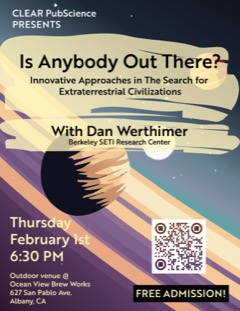
Is Anybody Out There? What’s New in the Search for Extraterrestrial Civilizations
What is the possibility of other intelligent life in the universe? Can we detect radio, infrared, or optical signals from other civilizations? Current and future SETI projects may provide an answer. Dan Werthimer will describe the rationale for past and future searches and will show how new technologies are revolutionizing SETI. Dan will describe Breakthrough Listen, SETI@home, the new PANOSETI wide field all-sky-all-the-time project, as well as concepts for future SETI.
Speaker: Dan Werthimer, Berkeley SETI Research Center
Marin Science Seminar 320 Nova Albion Way Terra Linda High School Innovation Hub 1st Floor San Rafael, CA 94903
Wonderfest: The Most Famous Equation
Around the world, people recognize that E=mc^2 oozes cosmic insight. But what does this “most famous equation” really say? What are energy and mass? And what makes the speed of light, c, so important? [Hint: mass, moving at speed c, doesn’t turn into energy!] Using little more than common experience and middle-school math, Einstein’s “special relativity” gem can come to life – with surprising insights into the nature of reality.
This event is co-produced by Wonderfest and Marin Science Seminar. Our speaker is long-time physics teacher Tucker Hiatt, founding director of Wonderfest. Tucker has been a Visiting Scholar in the Stanford Chemistry Department, and is a recipient of the Amgen Award for Science Teaching Excellence.
Chabot Space and Science Center 10000 Skyline Blvd Oakland, CA 94619
First Friday: Celestial Cinema
Join Chabot in a galaxy far, far away to get a behind-the-scenes look at how space films are made and put the science in science fiction with experts in the field of filmmaking. Create your own flipbook sci-fi adventure, attend hands-on workshops and guest lectures, and take a trip to a distant galaxy in our Planetarium. First Friday: Celestial Cinema is a sci-fi fantasy adventure the whole family can enjoy!
College of San Mateo Bldg 36 1700 W Hillsdale Rd San Mateo, CA 94402
N = 1: Alone in the Milky Way
Speaker: Dr. Pascal Lee
Planetary scientist Dr. Pascal Lee will review our present knowledge about each term of the Drake Equation used to estimate the number (N) of advanced civilizations present in our Milky Way galaxy, which is at the heart of the Search for Extraterrestrial Intelligence (SETI). He will examine star and planet formation, geological and biological evolution, the emergence of intelligence and technology, and possible fates of advanced civilizations. Even though planets are plentiful in the Milky Way and life as a natural product of chemical and biological evolution is likely common, he reaches the surprising conclusion that the number of advanced civilizations in our Galaxy is likely a small number, most likely N~1. Says Dr. Lee: “We might be it in the vastness of our galaxy, or there might be just one other…”. Implications of N~1 are profound and will be discussed.
Veterans of the Nike program come to the site to share their stories with visitors and give guided tours of SF88 between the hours of 12pm – 3pm
The SF-88 Nike Missile Site is the most fully restored Nike missile site in the country. During the tense years of the Cold War, from 1953 to 1979, the United States Army built and operated close to 300 Nike missile sites in the United States. These sites were designed to be the last line of defense against H-Bomb carrying Soviet bombers that had eluded the Air Force’s interceptor jet aircrafts. SF-88 in the Marin Headlands was one such site. Today, Golden Gate National Recreation Area works together with a dedicated group of volunteers to preserve the site as it was during operations to remind visitors of the physical and psychological effects of the Cold War on the American landscape.
Saturday, February 03, 2024 Sunset: 5:35 PM In-person
San Mateo Co. Astronomical Society Crestview Park 1000 Crestview Drive San Carlos, CA
Public Star Parties at Crestview Park in San Carlos
SMCAS and the City of San Carlos Parks Department host a public star party at Crestview Park in San Carlos twice a month when there is a new moon. Members set up telescopes and let the public view and share their knowledge of the night sky all for Free. All ages are welcome. If you have kids interested in space or science, bring them here for a real time view of planets, nebula, star clusters, and galaxies.
If you are a Non-member and own a telescope, bring it to share! Experts are available if you need assistance or have questions about buying a telescope.
Telescope setup begins at sunset and observing starts one hour after sunset. In the event of inclement weather (rain, clouds, fog, or high winds) the star party will be cancelled. Because each astronomer makes his or her own decision about bringing their telescope, there is no official cancellation notice.
Crestview Park is located at 1000 Crestview Drive in San Carlos
=============================
Saturday, 02/03/24 06:30 PM – 08:30 PM
In-person
Rancho Cañada Del Oro Open Space Preserve 4289 Casa Loma Rd Morgan hill, CA 95037
Starry Nights Star Party
The San Jose Astronomical Association (SJAA), working with the Santa Clara County Open Space Authority (OSA), is glad to co-host a public star party at Rancho Canada del Oro (RCDO) Open Space Preserve. This site, just 30 minutes south of downtown San Jose, features dark skies. It’s dark enough to see the band of our Milky Way galaxy in the summer.
Do not bring your own telescope (binoculars are welcome, but please no tripods). SJAA club members will set up their telescopes to help star party guests get the most knowledge and enjoyment out of the dark night sky.
In addition to traditional telescopes, the SJAA has incorporated Electronically Assisted Astronomy (EAA) into the Starry Nights Program. We will be using an automated telescope with a camera-like sensor to show live images on an iPad.
· This is a family friendly event, and although younger children are welcome, this activity is best suited for children aged 5 years and older.
· No touching the telescopes or eyepieces. (Maybe a focus knob, if instructed by the astronomer. It’s OK to ask).
· Dress in warm layers (it gets cold at night).
· Flashlights: To help preserve everyone’s night vision, if you bring a dim white flashlight, be sure to have it wrapped in red plastic, or get it wrapped at the sign-in desk.
· Registration for this event has a limit of approximately 85 people due to available parking space at the observing site.
San Jose Astronomical Association Houge Park 3972 Twilight Drive San Jose, CA 95124
Solar Observing
It’s there for us year round, lighting our days and providing energy for our lives, so maybe it’s time to give it a closer look. Join SJAA for amazing and detailed views of the Sun, and be assured that we’ll be using special telescopes that will keep your eyeballs perfectly safe.
We’ll have white-light telescopes with dense solar filters that reveal sunspots. Further, we’ll show you hydrogen-alpha telescopes that isolate a very specific color of red that reveals prominences (often thought of as solar flares) and intricate texture within the Sun’s chromosphere (its atmosphere).
We can also share with you a little about how the Sun works and how complex magnetic fields drive the number of sunspots and prominences that we’ll see on a given day.
Around 1:45, we’ll have a short, informal introductory talk, and at other times, you can enjoy the views and ask questions about the Sun, telescopes, or astronomy in general.
We’re also planning station for your get a better feel for a huge scale of our solar system! And you’ll get a solar system you can fold up and carry in your pocket.
You may bring your own telescope. If you have a properly filtered white light or H-alpha telescope and want to share views with others, please arrive at 1:30 or earlier, so you have time to set up before the event officially starts.
California Academy of Sciences 55 Music Concourse Dr. San Francisco, CA 94118
The Hunt for the First Galaxies
Seeking the first galaxies to form after the Big Bang is the primary rationale for building the James Webb Space Telescope (JWST). These first galaxies have eluded the Hubble Space Telescope (HST) because the expansion of the Universe has stretched their light to wavelengths undetectable by HST. With its increased sensitivity in infrared light, JWST has discovered hundreds of galaxies more distant than HST could possibly detect, and the first galaxies are forming stars earlier and more rapidly than expected.
Tuesday, 02/06/24 3:30 PM-rescheduled from 01/30/2024 In-person
Hewlett Teaching Center 370 Jane Stanford Way, Room 201 Stanford University Stanford, CA 94305
Extreme Electrodynamics of Neutron Stars and Black Holes
The development of classical electromagnetism and quantum electrodynamics are highpoints of nineteenth and twentieth century physics, respectively. Recent, remarkable discoveries, involving neutron stars and black holes, are taking electrodynamics into unfamiliar and “extreme” territory, requiring new theoretical approaches. Examples include 100 GT (10^15 Gauss) magnetic fields surrounding neutron stars (and possibly a hundred times greater within neutron stars), the production of radio waves with effective temperatures of 10^40 K, gravitational wave sources with powers as high as 10^49 W, the emission of neutrinos and gamma rays with energies in the PeV range and the acceleration of cosmic rays with energies up to million times greater than this, perhaps involving EMFs as large as 10^23 V, generated by spinning, black holes. The rapidly developing observational situation will be summarized, along with some of the competing ideas and approaches under active investigation.
Presentation on Friday February 2, 2024, 8:00pm PST in the CSM Planetarium
Pascal Lee: Senior Planetary Scientist, SETI; Chairman, Mars Institute; Director, NASA HMP
N ~ 1: Alone In The Milky Way
Free and open to the public.
Planetary scientist Dr. Pascal Lee will review our present knowledge about each term of the Drake Equation used to estimate the number (N) of advanced civilizations present in our Milky Way galaxy, which is at the heart of the Search for Extraterrestrial Intelligence (SETI). He will examine star and planet formation, geological and biological evolution, the emergence of intelligence and technology, and possible fates of advanced civilizations. Even though planets are plentiful in the Milky Way and life as a natural product of chemical and biological evolution is likely common, he reaches the surprising conclusion that the number of advanced civilizations in our Galaxy is likely a small number, most likely N~1. Says Dr. Lee: “We might be it in the vastness of our galaxy, or there might be just one other…”. Implications of N~1 are profound and will be discussed.
Dr Pascal Lee is a planetary scientist with two non-profit research organizations, the Mars Institute and the SETI Institute. He is also director of the NASA Haughton-Mars Project (HMP) at NASA Ames Research Center in Mountain View, California. His research focuses on Mars (in particular the history of water on Mars), asteroids, and the moons of Mars, Phobos and Deimos. He also works on advancing the human exploration of Mars. The HMP is a field research project on Devon Island in the Canadian High Arctic, that’s helping plan future human missions to Mars. Most summers you will find him on Devon Island! Dr. Lee is a recipient of the United States Antarctic Service Medal and the Space Frontier Foundation‘s Vision to Reality Award. His first book, Mission: Mars, won the 2015 Prize for Excellence in Children’s Science Books from the American Association for the Advancement of Science.
Pascal Lee enjoys flying and painting (but not at the same time). He is an FAA-certified helicopter commercial pilot and flight instructor, and an artist member of the International Association of Astronomical Artists (IAAA). He lives in Santa Clara, CA, where he is walked daily by his Australian Cattle Dog, King Kong, son of Ping Pong.