Blog

SMCAS Annual Holiday Party!

Mark your calendars for an evening of fun, food, and fellowship at the San Mateo County Astronomical Society’s annual holiday party!

📅 Date: Thursday, January 18, 2018
Time: 6:00 p.m. to 9:00 p.m.
📍 Location: Crystal Springs United Methodist Church
2145 Bunker Hill Dr, San Mateo, CA 94402

This year’s celebration is a potluck! Our board members will be providing delicious entrees, and we invite you to bring a favorite dish to share. Whether it’s an appetizer, side dish, dessert, or beverage, your contribution will make our table even more festive.

Feeling playful? You can join in our optional White Elephant Gift Exchange for an extra dose of holiday cheer.

Look out for an email with your RSVP sign-up sheet, where you can:

  • Let us know how many guests will be attending from your group.
  • Share what dish you’ll be bringing.
  • Indicate if you’d like to participate in the gift exchange.

Let’s make this a memorable evening together as we celebrate the season and our shared love of the stars. We can’t wait to see you there!

Happy Holidays,
The SMCAS Board

JWST shows that dark matter doesn’t exist!

OK now that I got you attention with that over the top headline like newspapers print, lets talk about the facts. The cosmos has always been a wellspring of surprises, and our understanding of its early days remains incomplete. For decades, we were constrained by our technological limits—telescopes couldn’t peer far enough to capture light from the universe’s infancy. That changed with the James Webb Space Telescope (JWST), which has pushed the boundaries of observational astronomy. However, the galaxies it reveals challenge our best theories, leading to unexpected puzzles, including the “overmassive” galaxies problem.

This issue underscores the gaps in our understanding of cosmic evolution and raises new hypotheses about the universe’s formative years. Among these, Milgromian Gravity (MOND) stands out as a compelling alternative to explain phenomena that defy conventional wisdom about dark matter.


The Overmassive Galaxies Problem

Earlier this year, JWST unveiled six distant galaxies much brighter—and therefore more massive—than expected for their age. The light from these galaxies suggests an abundance of stars that seemingly couldn’t have formed within the short span of the early universe, according to the ΛCDM (Lambda Cold Dark Matter) model, our best cosmological framework.

Researchers quickly began questioning the assumptions underpinning these findings. The calculations rely on models that link galaxy light to stellar mass, but these models depend on assumptions about the initial mass function (IMF)—the distribution of star sizes within galaxies—and the efficiency of star formation. Alternative explanations suggest the light might originate not from stars but from active galactic nuclei (AGN) surrounding supermassive black holes, further complicating the analysis.

Compounding these uncertainties, simulations like TNG100 and TNG300, which represent the ΛCDM model, show that forming galaxies of such mass so early is highly unlikely. Yet, JWST data reveal a population of massive galaxies inconsistent with these predictions, hinting at possible revisions to our cosmological models.


MOND and the Early Universe

MOND (Modified Newtonian Dynamics) offers a radically different explanation. Proposed in 1983 by Mordehai Milgrom, MOND modifies Newtonian dynamics in regimes of extremely low acceleration, circumventing the need for dark matter to explain galactic phenomena such as flat rotation curves. Instead, MOND posits that gravity behaves differently at low accelerations, an idea supported by various astrophysical observations.

Recent studies by McGaugh and collaborators argue that MOND not only predicts the existence of overmassive galaxies but also aligns with JWST’s findings. MOND’s framework suggests galaxies form faster and more efficiently, bypassing the hierarchical assembly model intrinsic to ΛCDM. Instead, galaxies might form monolithically, reaching massive sizes early on without relying on extensive mergers.

However, MOND has its limitations. It lacks a robust cosmological model like ΛCDM, making direct predictions for galaxy formation and evolution challenging. The plots presented by McGaugh and collaborators are based on simplified assumptions rather than detailed simulations, leaving room for interpretation.


Caveats and Implications

While MOND offers an intriguing perspective, several caveats temper its conclusions. The masses of JWST’s galaxies are likely overestimated due to uncertainties in modeling starlight and contributions from AGN. Additionally, the redshift measurements for many galaxies, critical for understanding their distance and age, rely on less precise imaging techniques rather than spectral analysis.

Furthermore, ΛCDM simulations, though currently inconsistent with JWST data, might evolve with improved computational power and larger sample sizes. A larger simulation volume, such as a hypothetical TNG600, could capture rarer, massive galaxies that better match observations.

Another critical limitation of MOND is its inability to account for certain large-scale phenomena, like the dynamics of galaxy clusters or the cosmic microwave background, without supplementary assumptions like sterile neutrinos. Despite these challenges, MOND’s predictions about early galaxy formation and its potential role in reionization provide a tantalizing avenue for future research.


The Road Ahead

JWST’s findings highlight gaps in both ΛCDM and MOND, signaling the need for continued exploration. As more data emerge, the debate between dark matter-based models and alternative theories like MOND will intensify, sharpening our understanding of the cosmos.

For now, JWST serves as a catalyst for scientific discovery, prompting new questions and inspiring innovative solutions. Whether the ultimate answer involves tweaking ΛCDM, embracing MOND, or developing an entirely new framework, the pursuit exemplifies the dynamic nature of science—constantly evolving, with each observation revealing another piece of the cosmic puzzle.
Speaker: Dr Bart De Pontieu

Speaker: Dr. Bart De Pontieu, Solar Physicist

Solar and Astrophysics Laboratory

Lockheed Martin Advanced Technology Center

Unraveling the Mysteries of the Sun’s Atmosphere

Free and open to the public. Free Parking in nearby lots.

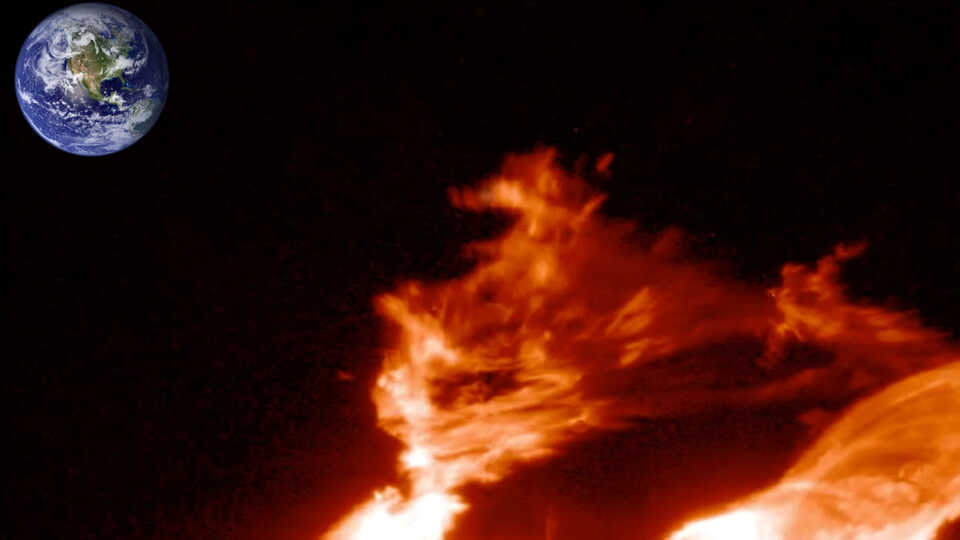
A large eruption in the low solar atmosphere caught in the act by NASA's Interface Region Imaging Spectrograph (IRIS), a solar telescope orbiting Earth since 2013. Earth is shown for scale. When these types of events propagate into interplanetary space they can impact space nearby Earth, causing space weather.
A large eruption in the low solar atmosphere caught in the act by NASA’s Interface Region Imaging Spectrograph (IRIS), a solar telescope orbiting Earth since 2013. Earth is shown for scale. When these types of events propagate into interplanetary space they can impact space nearby Earth, causing space weather.

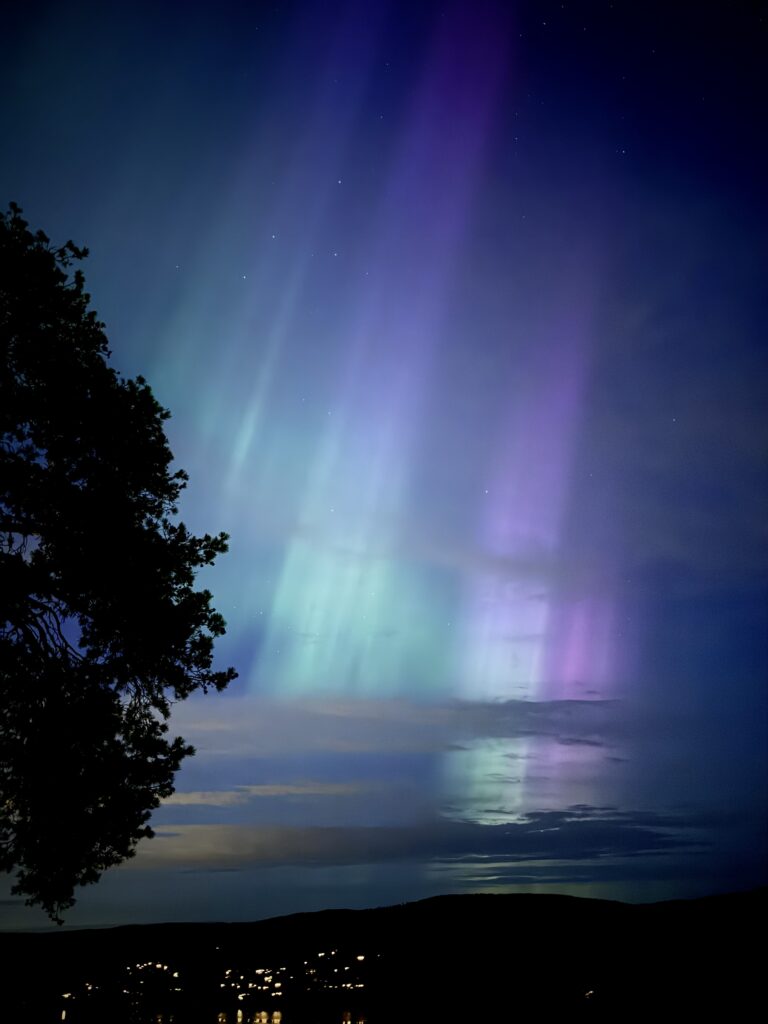
The Sun, our nearest star, is more than just a blazing ball of fire. Its atmosphere, hotter than its already scorching surface, presents a puzzle that has intrigued scientists for years. How does the Sun’s magnetic field drive the heating of its 10,000-degree chromosphere and million-degree corona? This enigma holds significant implications for Earth, as the Sun’s corona hosts powerful explosions and eruptions that can trigger space weather events affecting our technology-dependent society. From mesmerizing auroras to disruptions in communication systems and satellite operations, the Sun’s activity touches our daily lives in unexpected ways.

In this talk, I will delve into the recent strides made in understanding the Sun’s atmospheric dynamics. Thanks to breakthrough observations from space-based telescopes like NASA’s IRIS and SDO, coupled with advancements in supercomputing, we are gaining deeper insights into the mechanisms driving solar heating. Moreover, I will explore the upcoming frontier in solar research, with future observatories like MUSE poised to revolutionize our understanding of the Sun’s behavior and its impact on our planet and beyond.

Note, a special treat for the audience: This presentation will include video clips which make use of the Planetarium’s full-dome projection system!

We propose a mission concept for a space observatory with a large-aperture (50-meter) unsegmented primary mirror suitable for a variety of astronomical applications. The mirror would be created in space via a novel approach based on fluidic shaping in microgravity, which has already been successfully demonstrated in a laboratory neutral buoyancy environment, in parabolic microgravity flights, and aboard the International Space Station (ISS). Theoretically scale-invariant, this technique has produced optical components with superb, sub-nanometer (RMS) surface quality. 

Bart De Pontieu is a solar physicist whose research focuses on using high-resolution observations and numerical simulations to understand the physical processes that cause the rapid rise of temperatures from 10,000 degrees to millions of degrees in the low solar atmosphere. He is a Fellow at Lockheed Martin’s Solar & Astrophysics Laboratory which is part of Lockheed Martin Advanced Technology Center (LM ATC) in Palo Alto, California. Dr. De Pontieu is the principal investigator for NASA’s Interface Region Imaging Spectrograph (IRIS), a solar-observing small explorer satellite mission built by LM ATC which has been observing the Sun’s atmosphere since its launch in 2013. He is also the principal investigator of the new MUlti-slit Solar Explorer (MUSE) mission, a solar-observing medium class explorer satellite mission to be launched in a few years.

Dr. De Pontieu started his career in astrophysics as a teenage amateur astronomer in Belgium, with a passion for observing meteors and artificial satellites. He studied physics engineering at the University of Ghent, Belgium, and got his PhD in astrophysics at the University of Ghent and Max Planck Institute for extraterrestrial physics in Garching, Germany. After a postdoc at Stanford University, he has been at Lockheed Martin since 1999 where he has worked on many solar physics satellite missions, including TRACE, Hinode, Solar Dynamics Observatory, IRIS, MUSE, and Solar-C. He is also an adjunct professor at the Institute of Theoretical Astrophysics at the University of Oslo.

Venus in the Teapot, Jupiter’s Brilliance, and Shooting Stars

Greetings to the Society, 

Venus in the Teapot of Sagittarius

As we approach the end of the year, there’s a celestial treat worth observing: Venus is shining brightly in the “Teapot” of Sagittarius. While the Teapot isn’t an official constellation, this distinctive asterism of bright stars within Sagittarius is hard to miss once pointed out. The Teapot also points toward the galactic center of the Milky Way, an area rich with stars and dust visible from dark sky locations.

Venus is currently low on the horizon for those of us farther north, but as November progresses into December, it will rise higher in the evening sky. On December 4th and 5th, a crescent Moon will sweep past Venus, making it easy to locate. Later in the month, Venus moves closer to Saturn, setting the stage for a stunning conjunction in January.

Jupiter at Opposition – December 7th

Mark your calendars for December 7th as Jupiter reaches opposition. This alignment—where the Sun, Earth, and Jupiter form a straight line—makes Jupiter fully illuminated and at its brightest for the year. This dazzling planet dominates the eastern sky on dark winter evenings, often so bright it can resemble artificial lights on the horizon.

Even if the weather doesn’t cooperate on the 7th, Jupiter will remain spectacularly bright for the week surrounding opposition. By December 13th, a near-full Moon will guide your eye to Jupiter, nestled inside the Winter Hexagon of bright stars around Orion. For a bonus, look for the nearby Pleiades star cluster, a binocular favorite, which resembles a “mini Big Dipper.”

The Geminids Meteor Shower – Wash Out

The Geminids meteor shower, often regarded as the best meteor shower of the year, peaks on the night of December 13th. This shower typically produces 100–150 meteors per hour under ideal conditions. Unfortunately, this year’s peak coincides with a near-full Moon, which will wash out all but the brightest meteors.

For your best chance at spotting Geminids, consider heading out on the nights leading up to the peak, when the Moon is less overwhelming. After midnight, when Gemini is higher in the sky, you’ll have a better view. Bundle up, find a comfortable spot to lie flat, and gaze upward for the best experience. While the Geminids won’t be at their full glory this year, any clear night presents an opportunity for celestial wonder.

Prepare for Winter Skies

December brings not only these astronomical highlights but also colder weather as we approach the winter solstice on December 21st. Remember to dress warmly for nighttime observations and savor the beauty of the season’s skies. Whether you’re admiring the planets, hunting meteors, or simply enjoying the winter constellations, this is a great time to share the wonders of the universe with family and friends.

For a warmer way to enjoy astronomy, we have an exciting talk scheduled at our upcoming meeting:

And we are planing are winter holiday gathering at Crystal Springs United Methodist Church. Targeting January 18th.
We hope to see you at these events!

Looking Forward to Clear Skies

As we move into winter, we’re hopeful for clear skies to enhance the many astronomical events ahead. Stay tuned for next month’s Event Horizon as we delve into the Venus-Saturn conjunction and other January highlights!

Here’s to a season full of celestial wonders and clear skies for happy viewing!

Michael Cooke

President, San Mateo County Astronomical Society

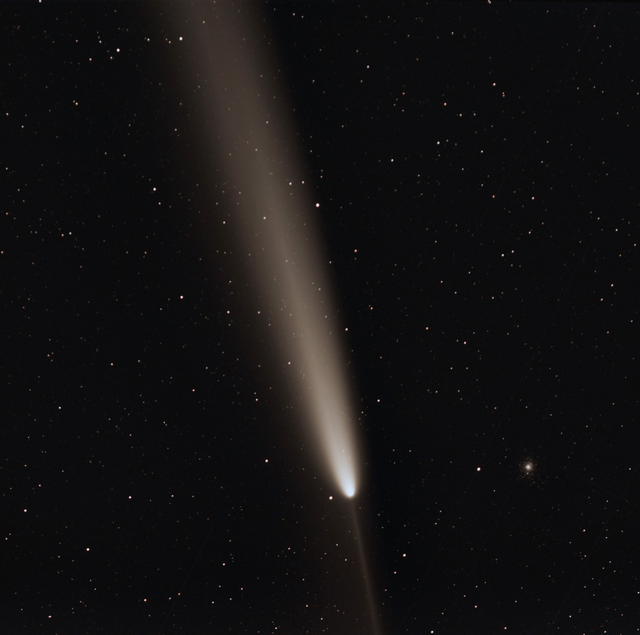
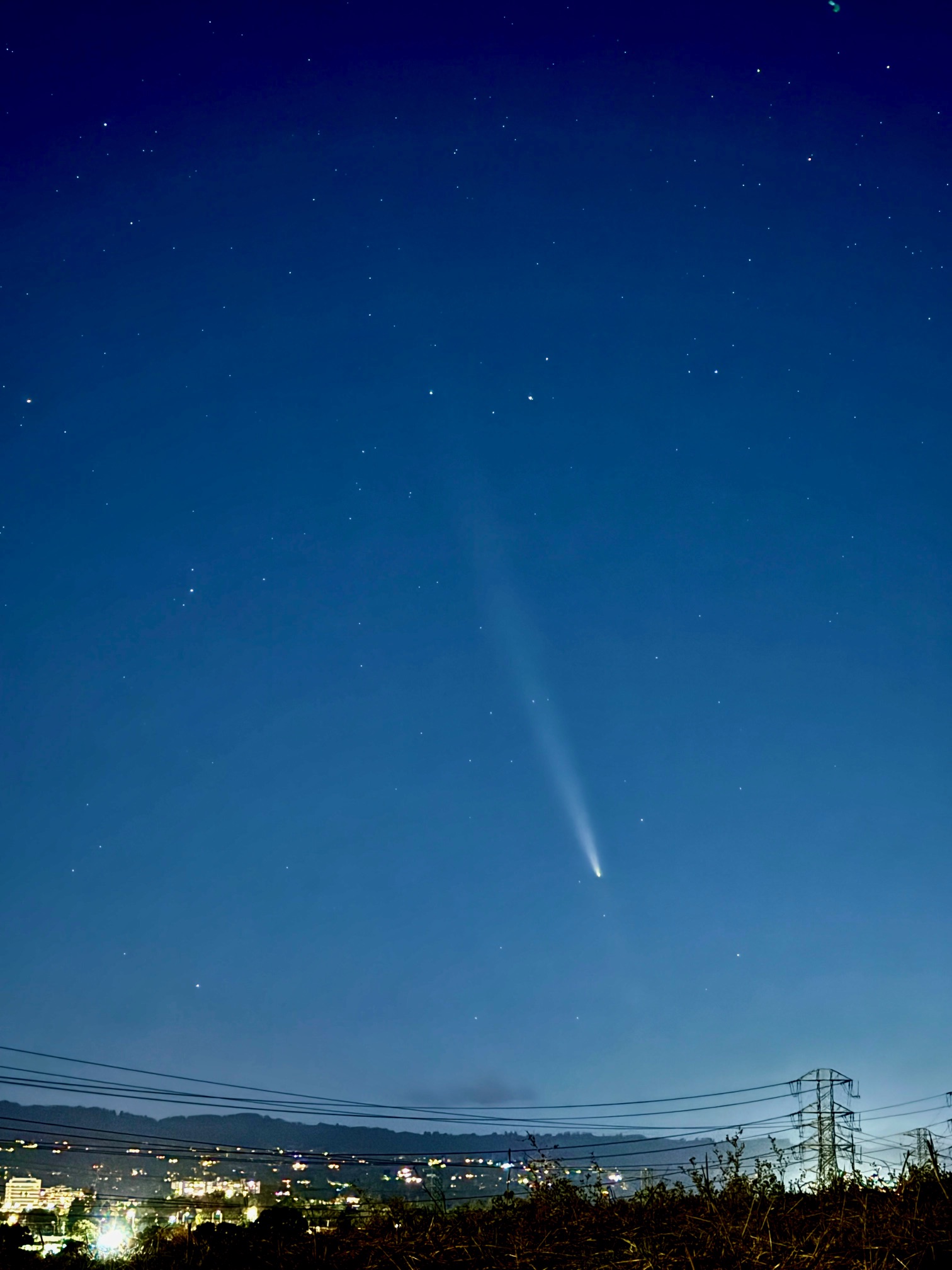
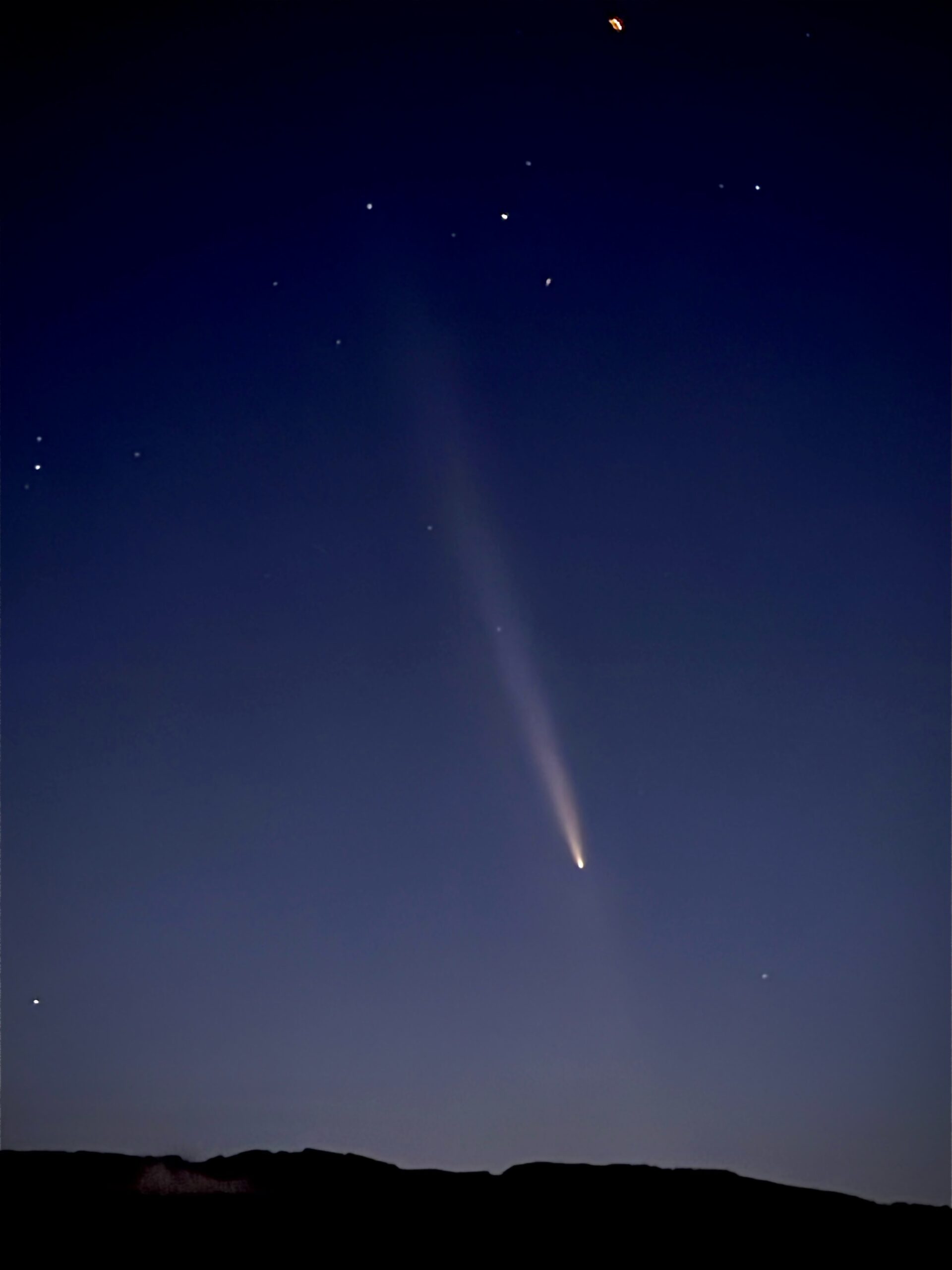
Astro-Photo: Comet Tauchinshan-Atlas showing Anti-Tail

Comet Tsauchinshan-Atlas

Object: Comet Tsauchinshan-Atlas (aka C/2023 A3) showing anti-tail.

Photographer: Stephen Kwong.

Camera: A stack of 17 x 30 seconds exposures. Used a Rokinon 135mm lens at F/2 aperture, ZWO ASI533MC camera, ZWO ASIAIR Plus computer, and tracked on Skywatcher AZ GTI mount. The picture was post processed in Siril.

Location: Crestview Park, San Carlos, CA.

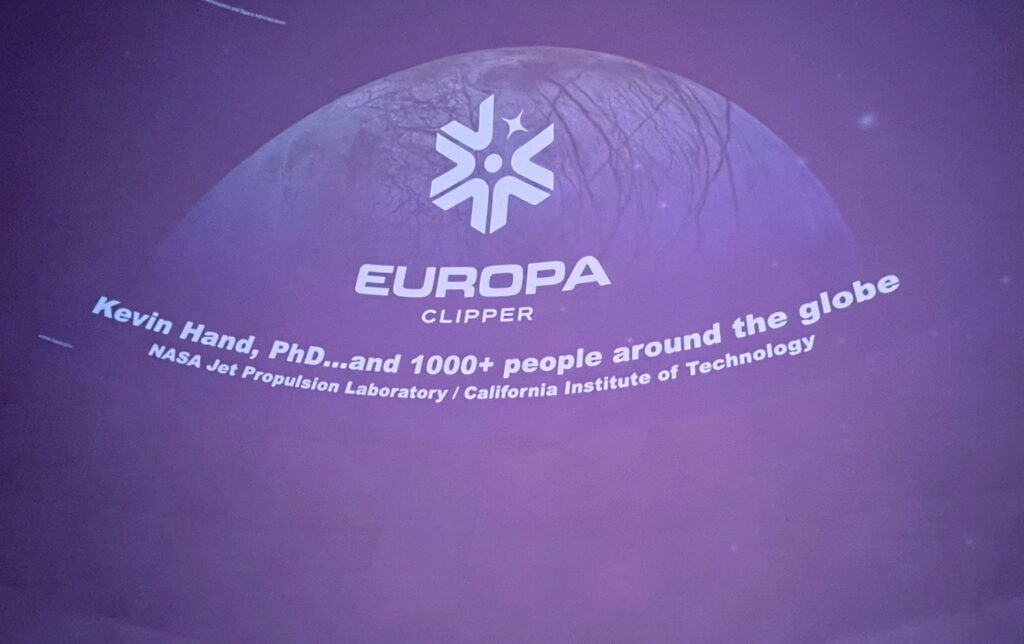
The Europa Clipper Mission: Unveiling the Mysteries of Jupiter’s Moon

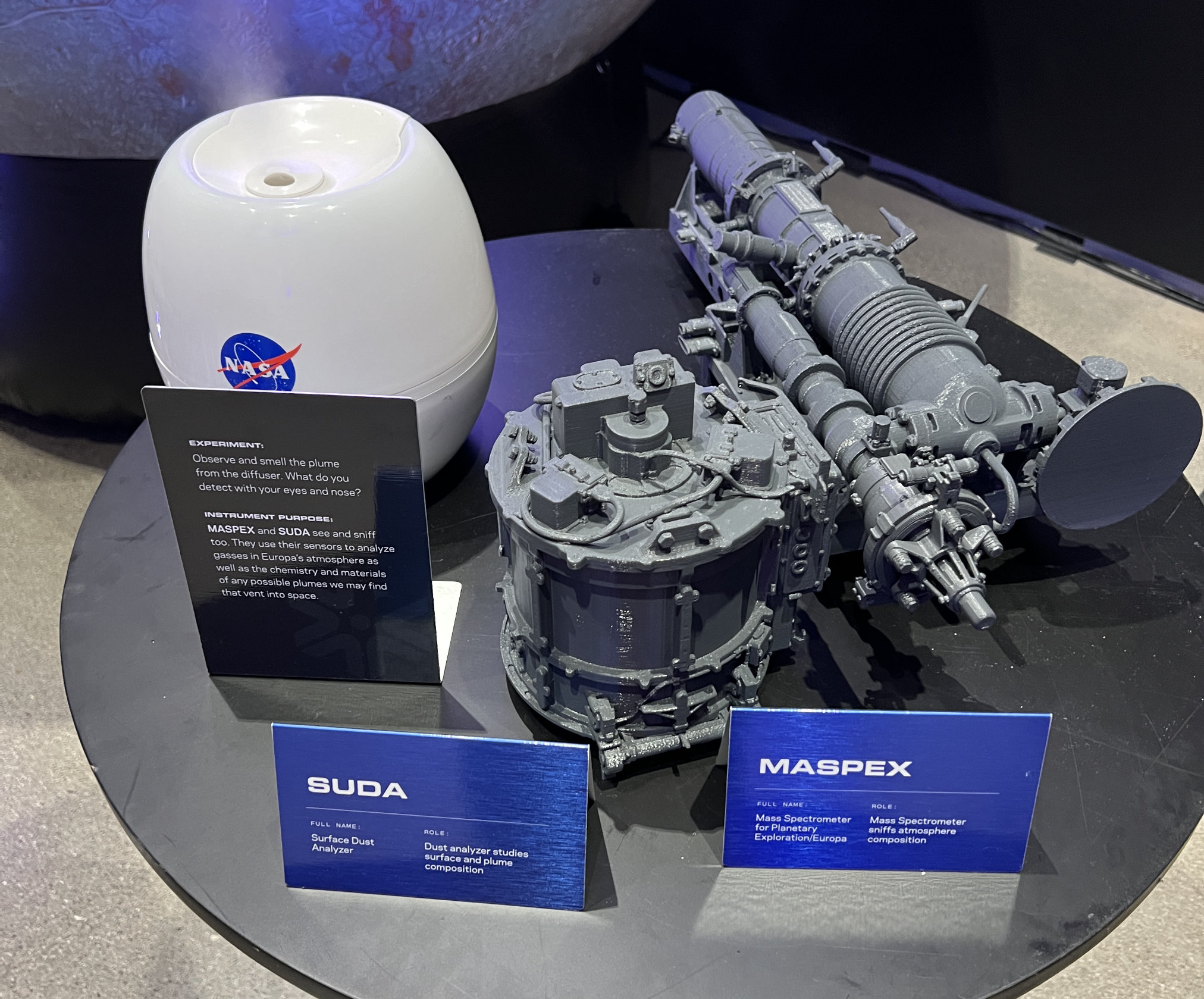
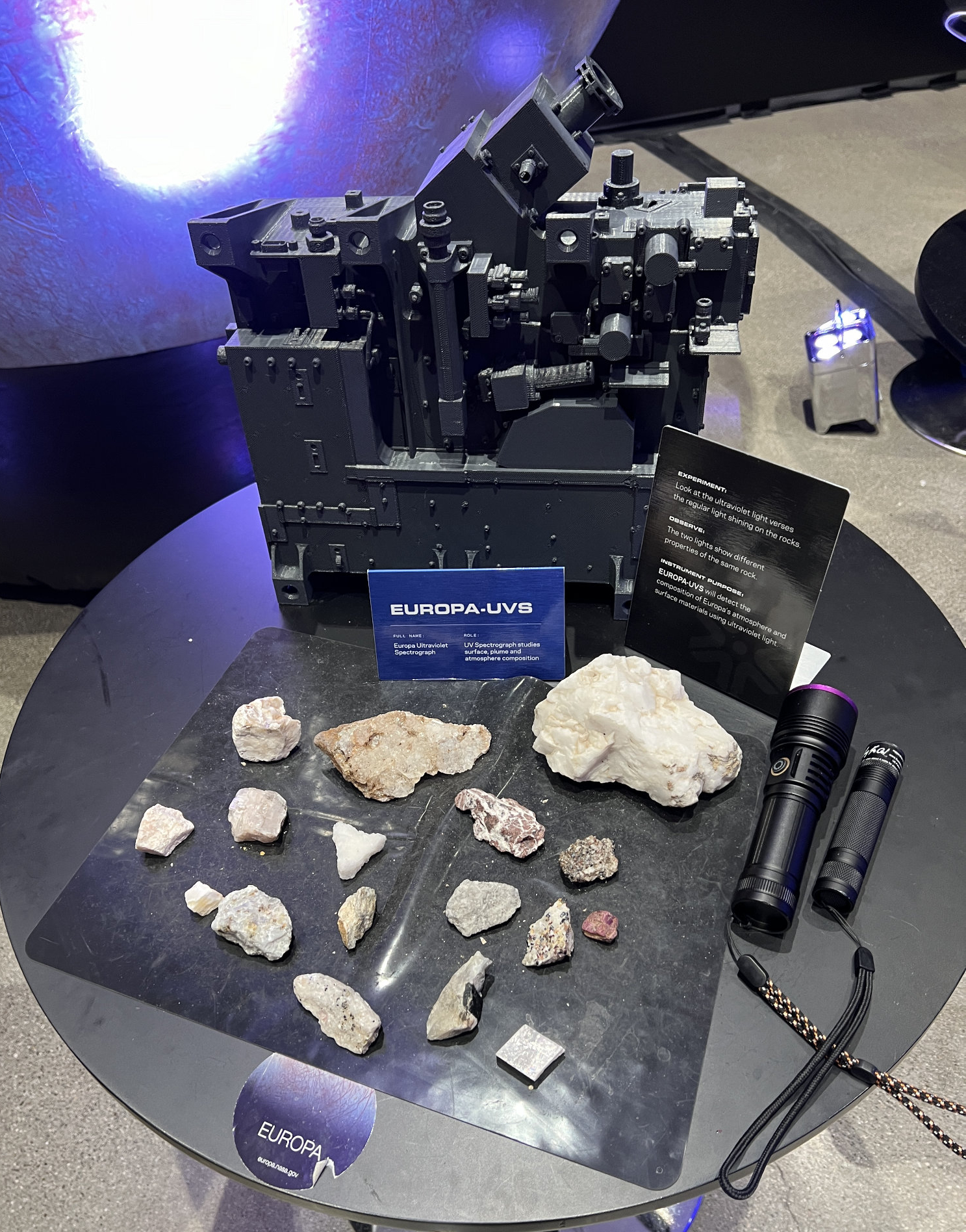
Back in September my family when to an exhibit and talk at the Academy of Science in San Francisco by NASA on their mission to Europa. This mission is set to launch no later than 12:06 p.m. EDT, Monday, Oct. 14th.

Where might we find life beyond Earth within our solar system? While Mars and Venus have garnered attention, the moons of our gas giants—such as Saturn’s Enceladus and Titan—hold fascinating possibilities. Enceladus, with its water plumes, has already hinted at subsurface oceans ripe with life’s building blocks. Jupiter’s moon Europa stands out as a prime candidate for such mysteries, prompting NASA’s ambitious Europa Clipper Mission, set for a launch in October 2024, with arrival at Jupiter planned for 2030.

Why Europa?

Europa, encased in a thick ice shell, is believed to harbor a vast ocean beneath its frozen exterior, heated by tidal forces from Jupiter that could create a habitable environment for simple life forms like bacteria. This moon’s potential for an internal ocean filled with salty water similar to Earth’s oceans, coupled with the chemical nutrients that life requires, makes it an ideal candidate for exploration.

Mission Instruments and Goals

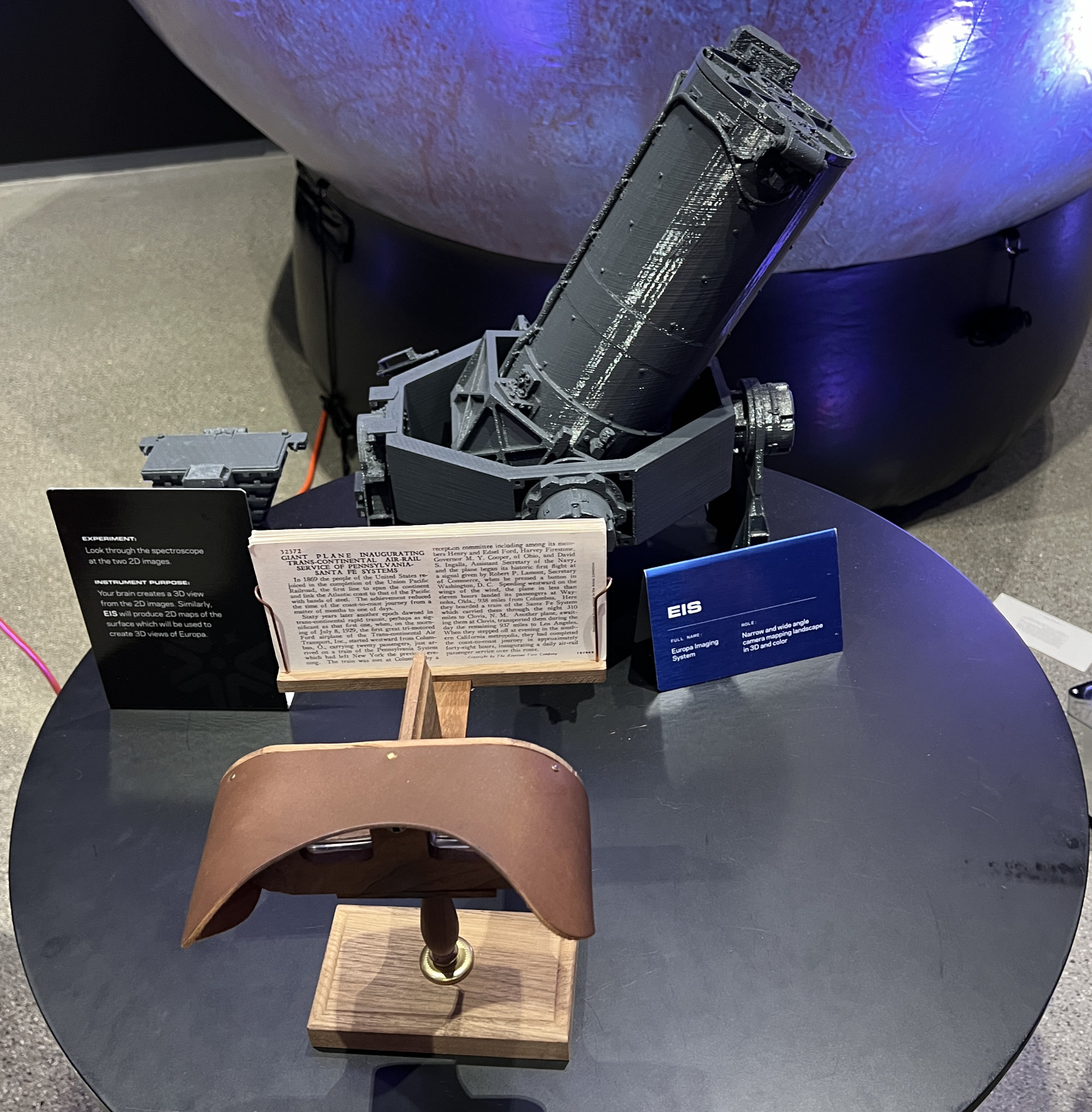
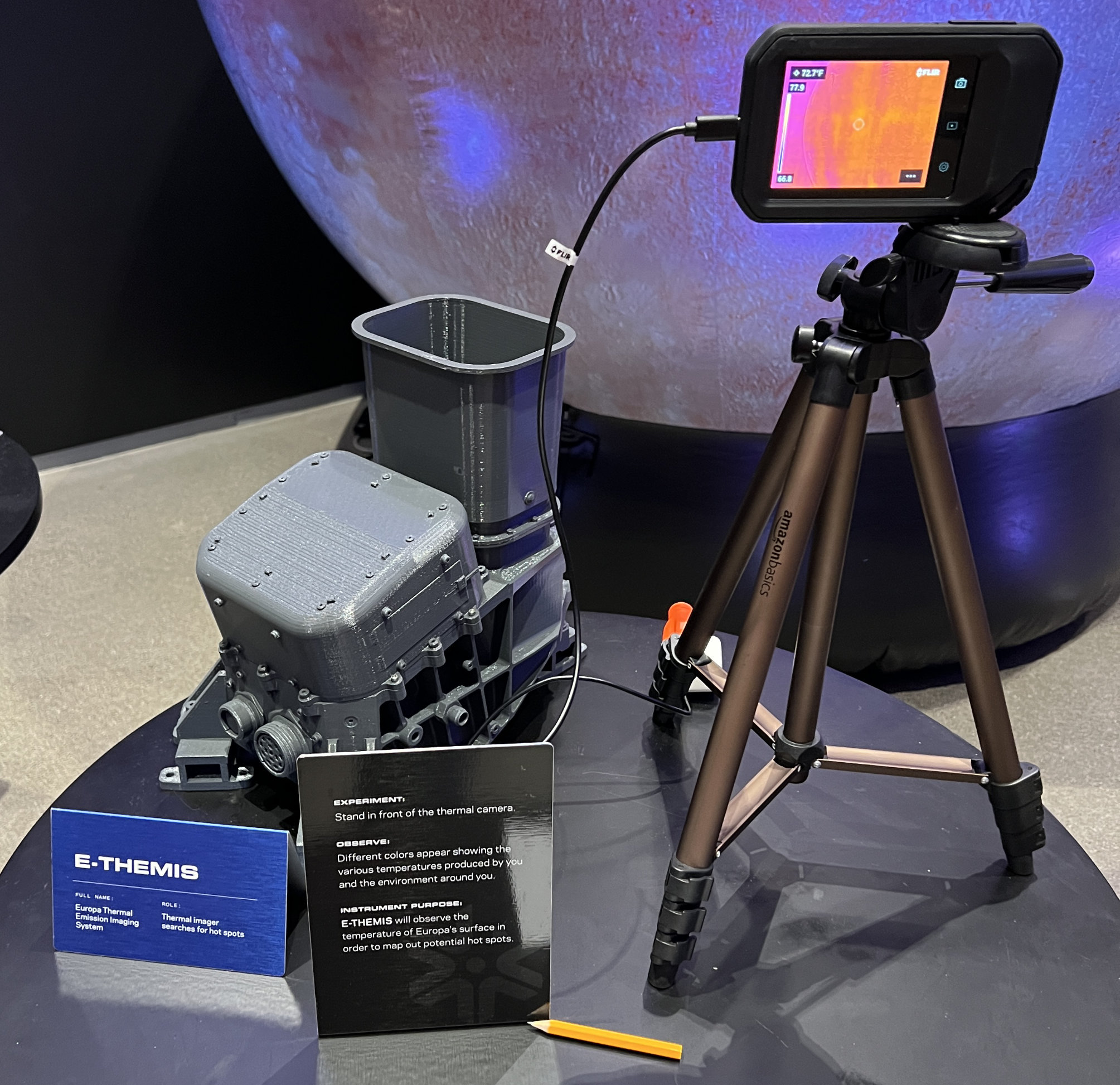
The Europa Clipper will carry an array of ten sophisticated instruments to probe Europa’s ice shell, ocean, and potential for life. These include:

  • Cameras: To capture high-resolution visual and thermal images.
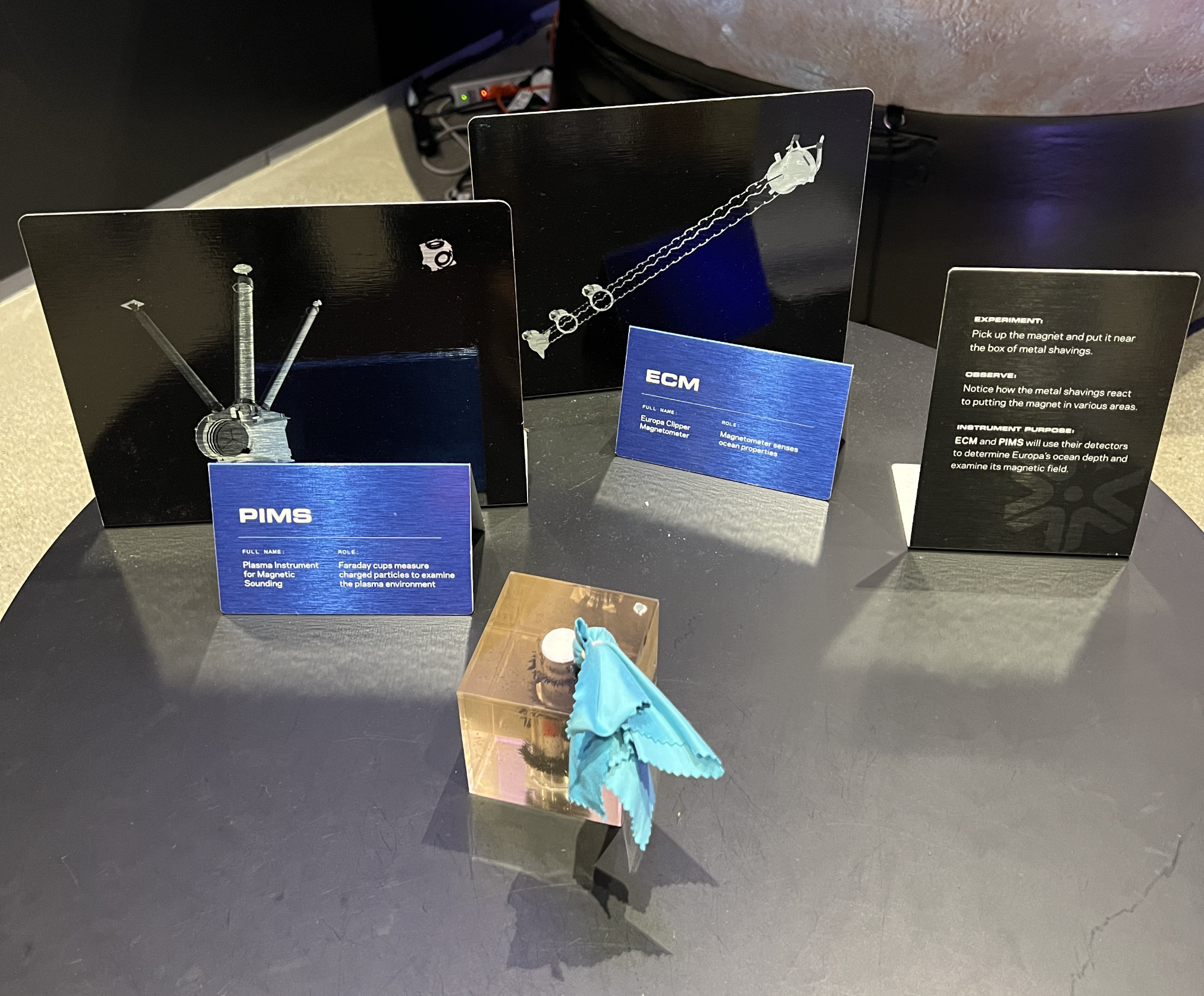
  • Magnetic Field Probes: To detect the subsurface ocean by studying changes in Europa’s magnetic field.
PIMS: Faraday cups measure charged particles.
ECM: Magenetometer senses ocean properties.
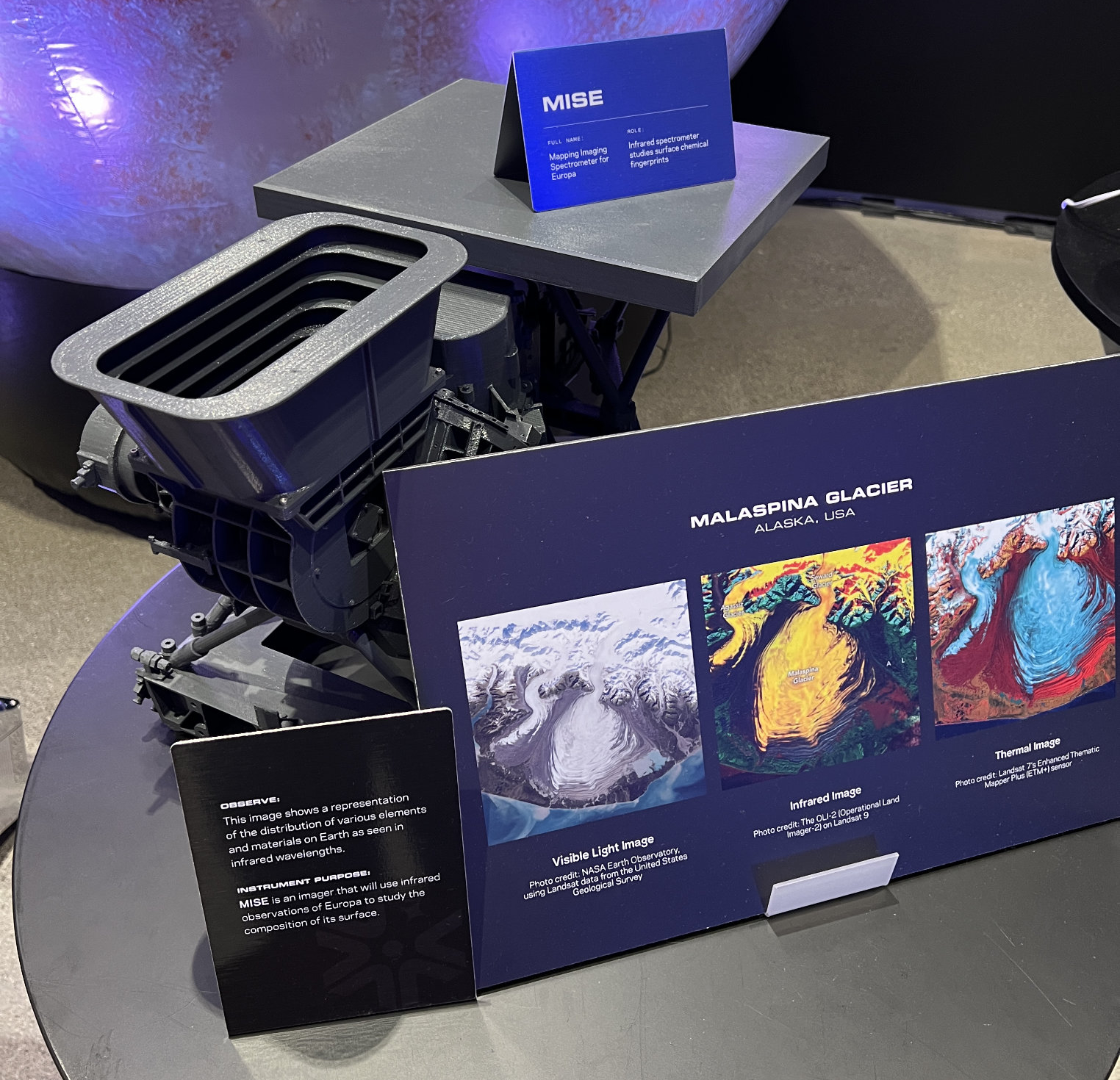
  • Infrared Spectrometer: To penetrate the ice and map the hidden ocean’s depth and salinity.
MISE: Infrared spectrometer
  • Spectrographs: For analyzing the composition of the surface and any plumes, helping detect water vapor and other vital chemicals.

These instruments are poised to transform our understanding of Europa by mapping its ice shell, investigating the ocean’s chemistry, and searching for biosignatures.

Conclusion

The scientific community and space enthusiasts eagerly anticipate the insights that the Europa Clipper might unveil about Europa’s ability to support life. The mission promises to enrich our knowledge of celestial habitability, potentially answering the age-old question: Are we alone in the universe?

For more detailed information on the mission, you can visit the official NASA Europa Clipper Mission page.